.png)

Stop soggy lawns and backyard flooding in the Bay Area for good. Proven fixes + free drainage assessment from Bayside Pavers.
Table of Contents
- Introduction (#introduction)
- Why Bay Area Yards Are Flooding More Than Ever in 2025
- The Real Causes of Pooling Water and Erosion
- Warning Signs You Need Professional Drainage Help
- Fast DIY Fixes That Actually Work Right Now
- Professional Solutions That Last Decades
- Real Bay Area Before-and-After Transformations
- How to Future-Proof Your Yard Against Stronger Storms
- Key Takeaways
Introduction
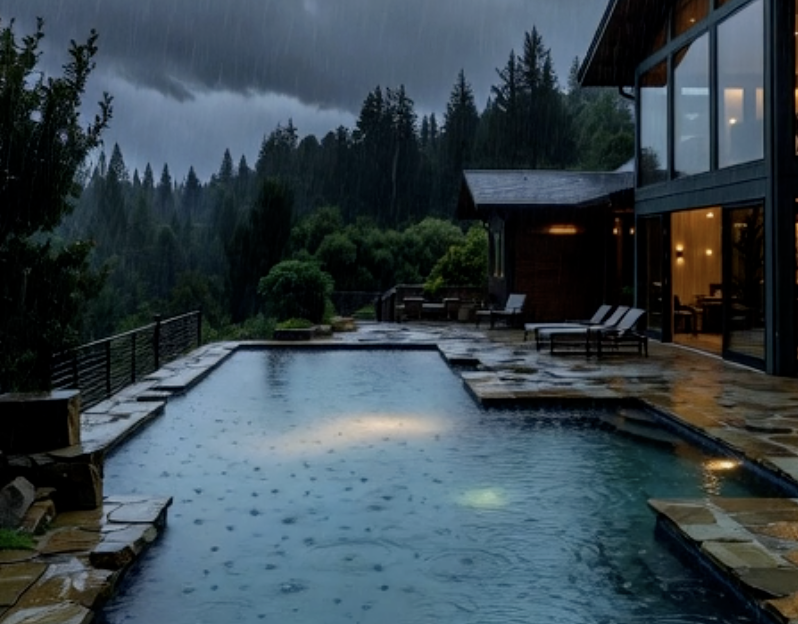
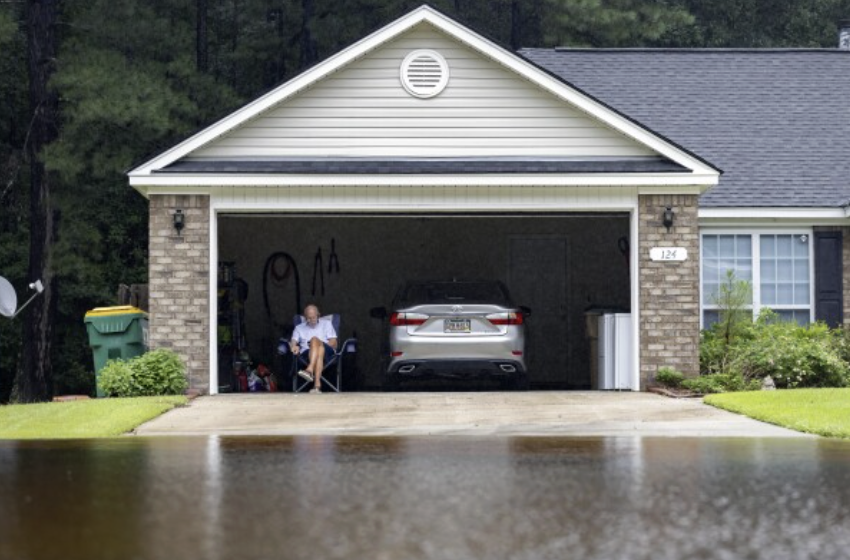
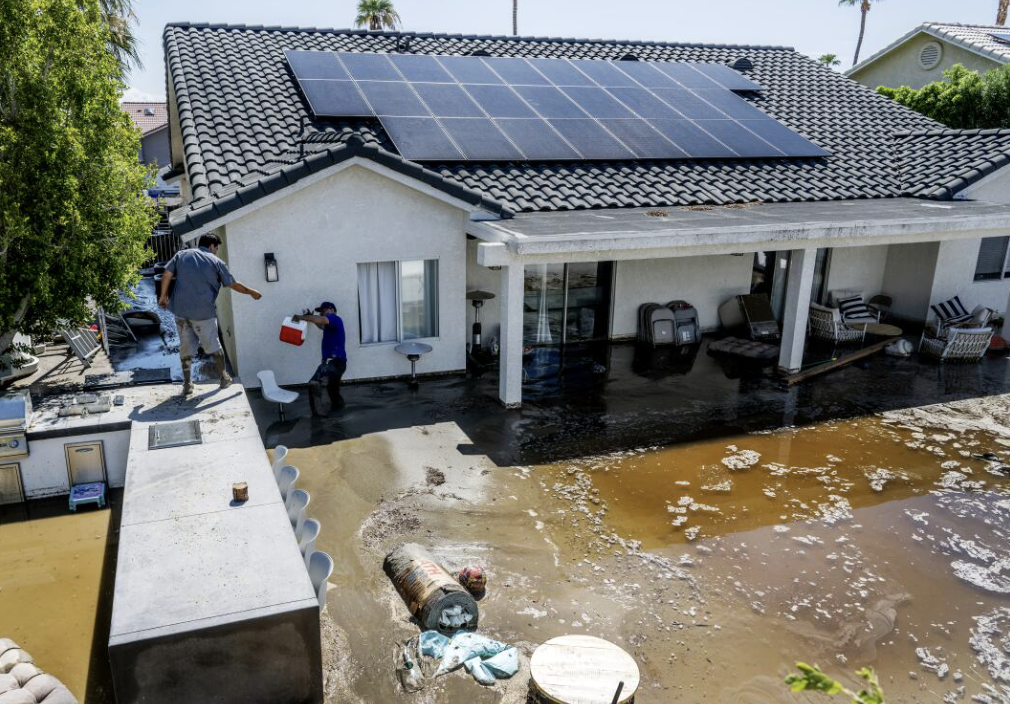
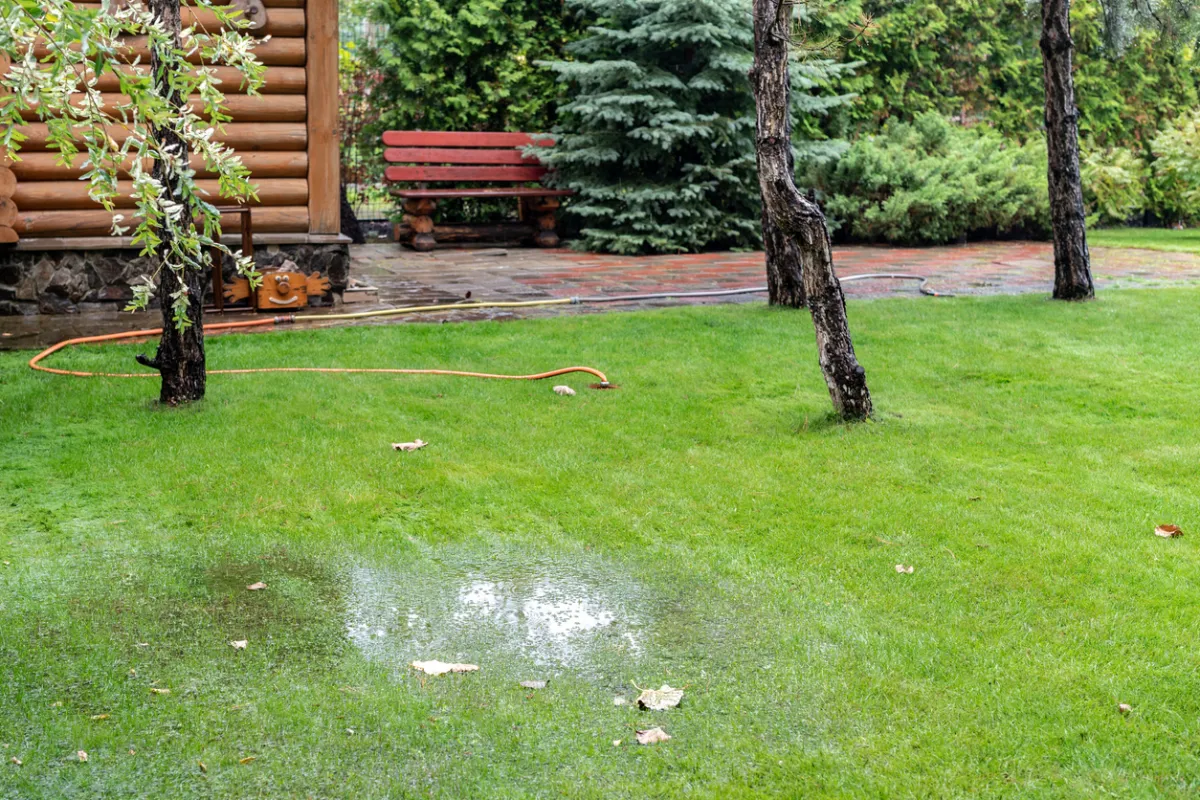
If you live in the Bay Area, you already know the scene: an atmospheric river hits, and within hours your backyard becomes a pond. Soggy lawns, muddy walkways, and water creeping toward the foundation are no longer once-in-a-decade events—they’re the new normal for thousands of homeowners from Walnut Creek to San Jose. Flooding and drainage have become the #1 outdoor headache in 2025, and the problem is only growing.
The good news? Modern drainage combined with smart hardscape design can eliminate these issues permanently. Many homeowners discover the exact fix they need during a free, no-pressure drainage assessment. Keep reading for proven strategies used on over 100 Bay Area properties—and discover how to get your yard dry again before the next storm arrives.
Why Bay Area Yards Are Flooding More Than Ever in 2025
Atmospheric rivers are stronger and more frequent than they were even five years ago. When several inches of rain fall in a single day on clay-heavy soil and concrete-covered lots, water has nowhere to go except across your lawn and under your house.Urban development has replaced permeable soil with driveways, patios, and additions—turning most residential properties into giant funnels. The result is predictable: chronic backyard flooding, foundation cracks, and expensive erosion damage that insurance rarely covers fully.
The Real Causes of Pooling Water and Erosion
After evaluating hundreds of flooded yards each year, these are the five culprits we see most often:
- Grading that slopes toward the house instead of away from it
- Downspouts that dump roof water right next to the foundation
- Compacted clay soil that refuses to absorb rainfall
- Lack of subsurface drainage (French drains, catch basins, etc.)
- Neighboring properties sending their runoff onto your lot
Fixing just one or two of these usually delivers immediate relief.
Warning Signs You Need Professional Drainage Help
Not sure if DIY is enough? Look for these red flags:
- Standing water remains longer than 48 hours after rain stops
- Muddy trenches form every time it rains
- You see new cracks in interior drywall or sticking doors
- Crawl space or basement smells damp year-round
- Water runs along the foundation during storms
If you’re experiencing two or more of these, a professional drainage evaluation is the fastest path forward.
Fast DIY Fixes That Actually Work Right Now
Start here—many homeowners cut flooding in half with these simple upgrades:
- Extend every downspout at least 10 feet away using solid pipe
- Core-aerate the lawn twice a year and top-dress with compost/sand
- Install rain barrels to capture roof runoff (most cities offer rebates)
- Dig shallow swales lined with river rock to direct surface water
- Add 3–4 inches of coarse mulch in low spots to absorb and slow water
Total cost is usually under $400 and can be completed in a single weekend.
Professional Solutions That Last Decades
When DIY isn’t enough, these engineered systems solve Bay Area flooding permanently:
- French drains with filter fabric and perforated pipe
- Catch basins connected to solid pipe that daylights downhill
- Native-plant rain gardens that absorb thousands of gallons
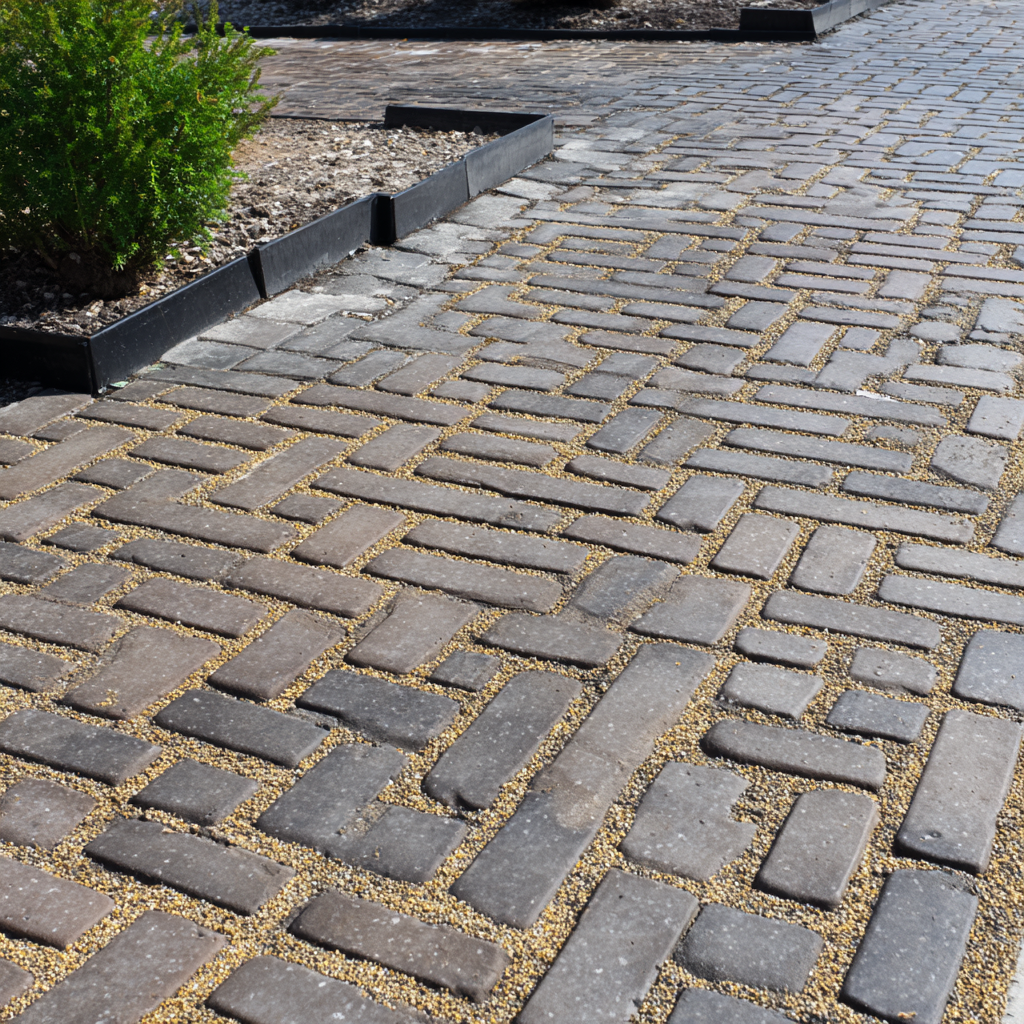
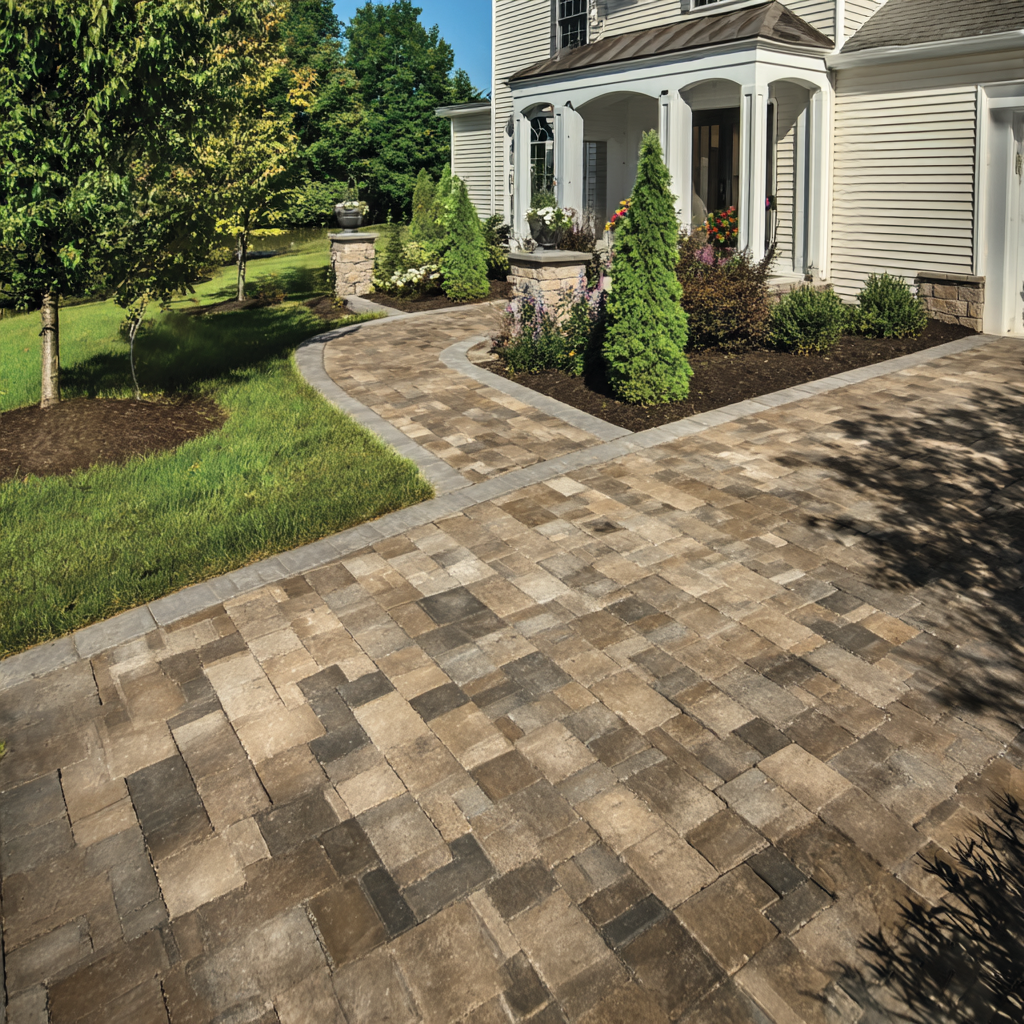
- Permeable paver driveways and patios that let water pass through
- Foundation waterproofing and sump pump backups

These installations typically last 30–50 years and add measurable value to your home.
Real Bay Area Before-and-After Transformations
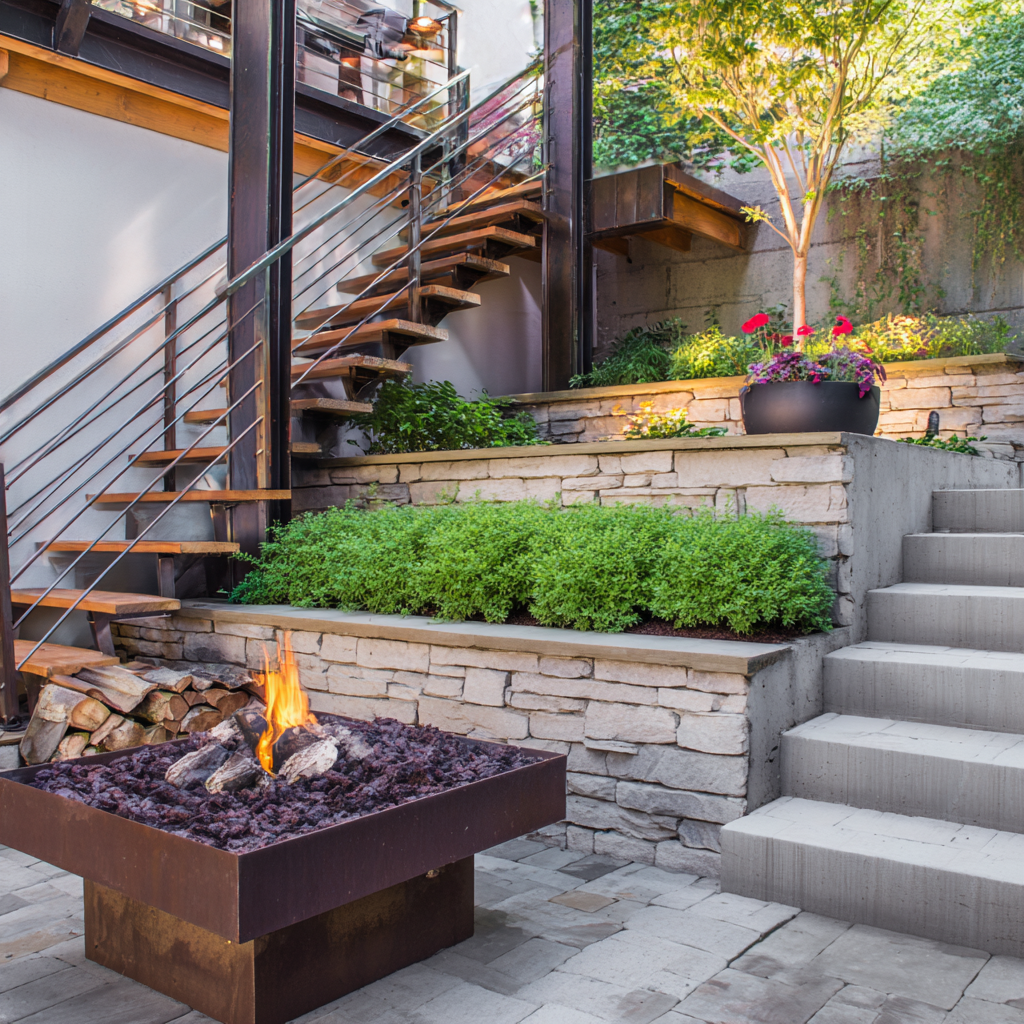
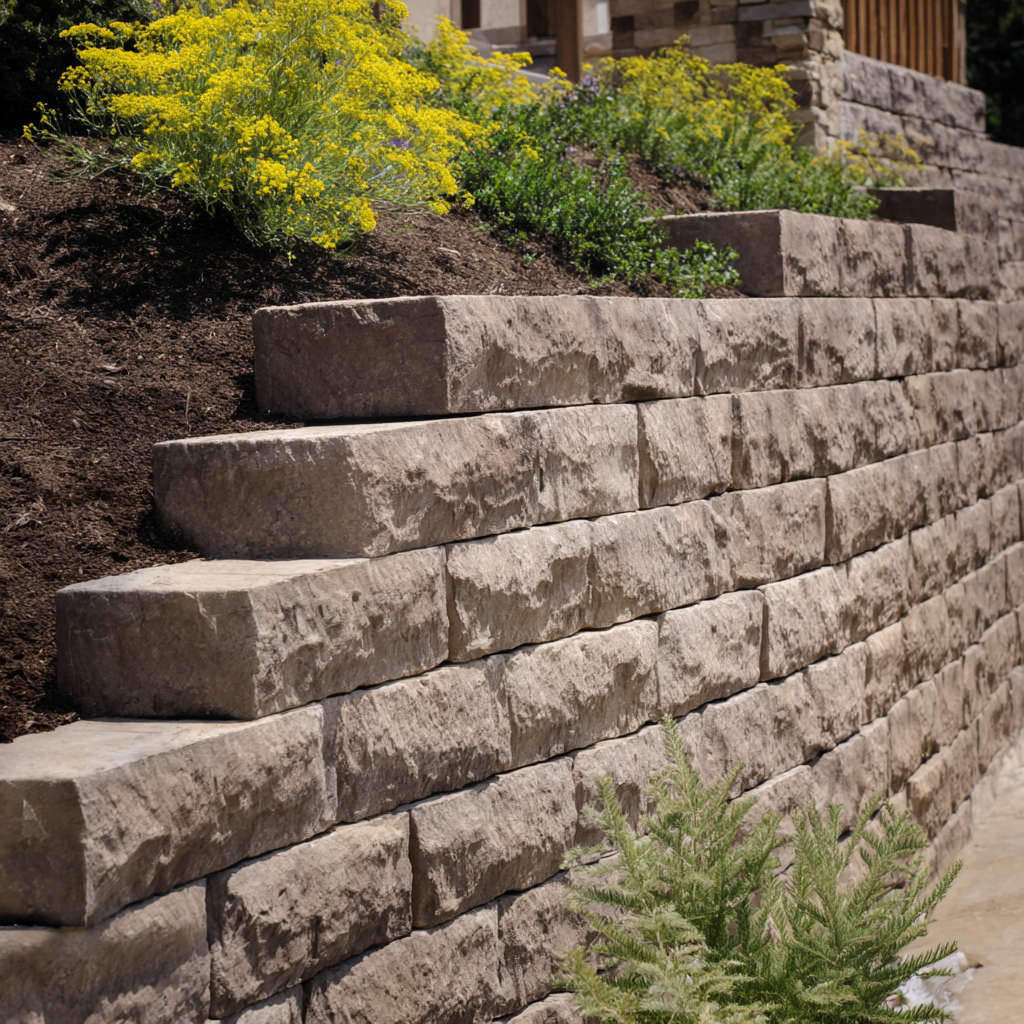
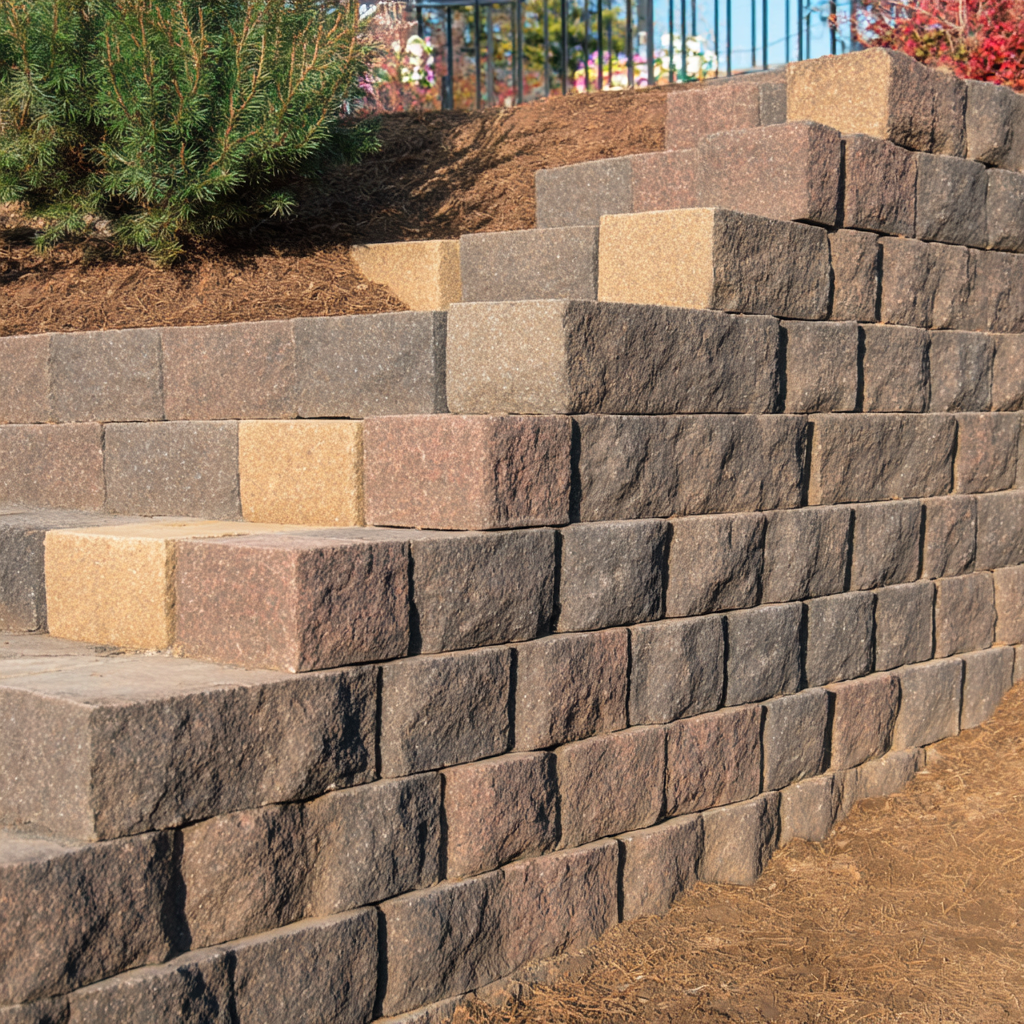
A Rockridge family in Oakland used to get 6 inches of standing water after every storm. A perimeter French drain plus two catch basins eliminated the problem completely—even during the February 2025 atmospheric river that flooded nearby streets.In Danville, a sloped backyard was washing away topsoil until we installed a series of permeable paver terraces and a dry creek bed. The yard now stays dry and looks like it belongs in a magazine.These aren’t one-off wins—they’re standard outcomes when drainage is designed and installed correctly.How to Future-Proof Your Yard Against Stronger StormsThe smartest homeowners are combining multiple layers of protection:
- Pairing French drains with rain gardens for redundancy
- Replacing concrete driveways with permeable pavers
- Adding smart sump pumps with Wi-Fi alerts and battery backup
- Raising foundation vents and adding exterior waterproofing membranes
The best time to start is now—before the ground is saturated and work becomes more expensive.

Key Takeaways
Your Dry-Yard Action Plan
- Extend downspouts and aerate soil this weekend (biggest immediate impact)
- If water still stands after 48 hours, schedule a free drainage assessment
- French drains + permeable hardscape solve 95 % of Bay Area flooding
- Start before the next atmospheric river—2026 is forecast to be wetter than 2025
Ready to end backyard flooding for good? Book your free drainage assessment with Bayside today.
Author Bio
Tim McMullen is a designer at Bayside Pavers with 10 years of experience transforming Bay Area properties into resilient, beautiful outdoor spaces. Starting in luxury residential development and property sales, Tim discovered his passion for solving real-world problems through thoughtful hardscape and drainage design. Today he has personally overseen more than 100 projects across the Bay Area, specializing in flood-resistant driveways, patios, and complete yard drainage systems. Tim is known for combining Modern-inspired aesthetics with California-grade engineering that stands up to atmospheric rivers and earthquakes alike. When he’s not on a job site, you’ll find him mentoring the next generation of installers and sharing practical outdoor living advice with homeowners.
Connect with Tim directly at https://www.baysidepavers.com/tim