.png)

Table of Contents
- Why the November 2025 Storm Was a Wake-Up Call for Peninsula Hills (#wake-up-call)
- How Mudslides Actually Develop on Peninsula Properties (#how-they-develop)
- The Early Warning Signs Every Hillside Homeowner Must Know (#warning-signs)
- What Most Existing Retaining Walls Get Wrong (#what-goes-wrong)
- Immediate Protective Steps You Can Take This Week (#immediate-steps)
- The Modern Retaining Wall Systems That Actually Hold in 2025 (#modern-systems)
- Your Peninsula Hillside Prevention Checklist (#checklist)
- Key Takeaways & Free Geotechnical Review Offer (#takeaways)
Why the November 2025 Storm Was a Wake-Up Call for Peninsula Hills
As a licensed geotechnical and structural engineer specializing in Bay Area hillsides for the last 18 years, I can tell you the November 13–15 atmospheric river was the exact type of long-duration, moderate-intensity event that triggers the majority of our region’s shallow debris flows and slow earth movement. The combination of antecedent moisture from earlier rains, followed by 2–4 inches in 48 hours on steep, clay-rich soils and burn-scar areas, created perfect conditions for slope instability across San Mateo County’s coastal mountains.
If you own a home in Woodside, Portola Valley, Hillsborough, Emerald Hills, or the San Mateo Highlands, your lot is almost certainly governed by the same Franciscan bedrock and colluvial soils that lose strength dramatically when saturated. The good news: properly designed retaining walls and sub-drainage can reduce risk by 95% or more.
How Mudslides Actually Develop on Peninsula Properties
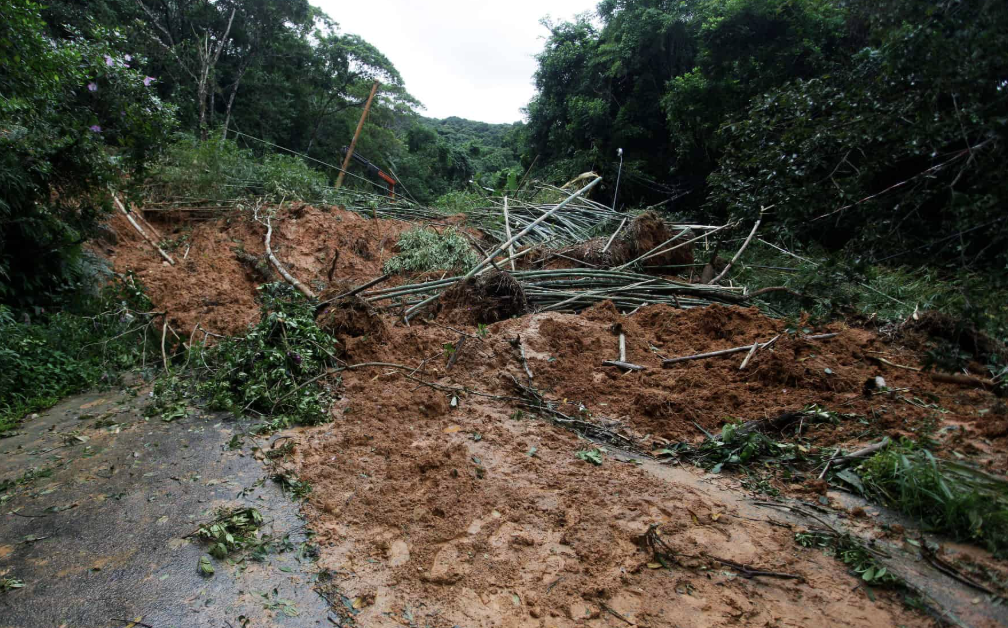
Shallow rapid landslides on the Peninsula rarely happen in one cinematic moment. Instead, pore-water pressure builds inside the soil mantle until effective stress drops to zero. The top 3–12 feet of soil then begins to move downslope as a translational slide or earthflow, typically at rates of inches to feet per day. Once that sliding plane reaches the toe of an undersized or poorly drained retaining wall, the wall rotates or overturns — and everything upslope, including your foundation, deck, and pool, starts moving with it.
The Early Warning Signs Every Hillside Homeowner Must Know
Check your property weekly during the rainy season for:
- New tension cracks running parallel to the slope (even hairline width)
- Fresh scarps or small step-like drops in the soil
- Trees, fence posts, or light poles that have begun leaning downhill
- Seeps or new springs appearing mid-slope
- Bulging or tilting of existing retaining walls
- Doors or windows that suddenly stick on the downhill side of the house
Any single one of these indicates active movement and requires immediate professional evaluation.What Most Existing Retaining Walls Get WrongThe majority of walls built before 1995 on the Peninsula — railroad-tie walls, dry-stacked stone, un-reinforced masonry, or short concrete gravity walls — were never designed for fully saturated conditions. They lack geogrid reinforcement, adequate sub-drains, or proper compaction behind the wall. When water builds up behind them, hydrostatic pressure alone can exceed the wall’s resisting capacity by 300–500%, leading to sudden failure.
Immediate Protective Steps You Can Take This Week
While waiting for permanent engineering, you can dramatically slow or stop movement:
- Cover exposed soil above the house with heavy visqueen or geotextile tarps, weighted every 5–6 feet with sandbags
- Install temporary horizontal drains (perforated pipe pushed horizontally into the slope) to relieve pore pressure
- Redirect all roof and surface water far beyond the crest of the slope
- Pump any standing water off the hillside immediately
These measures routinely buy weeks to months of stability.

The Modern Retaining Wall Systems That Actually Hold in 2025
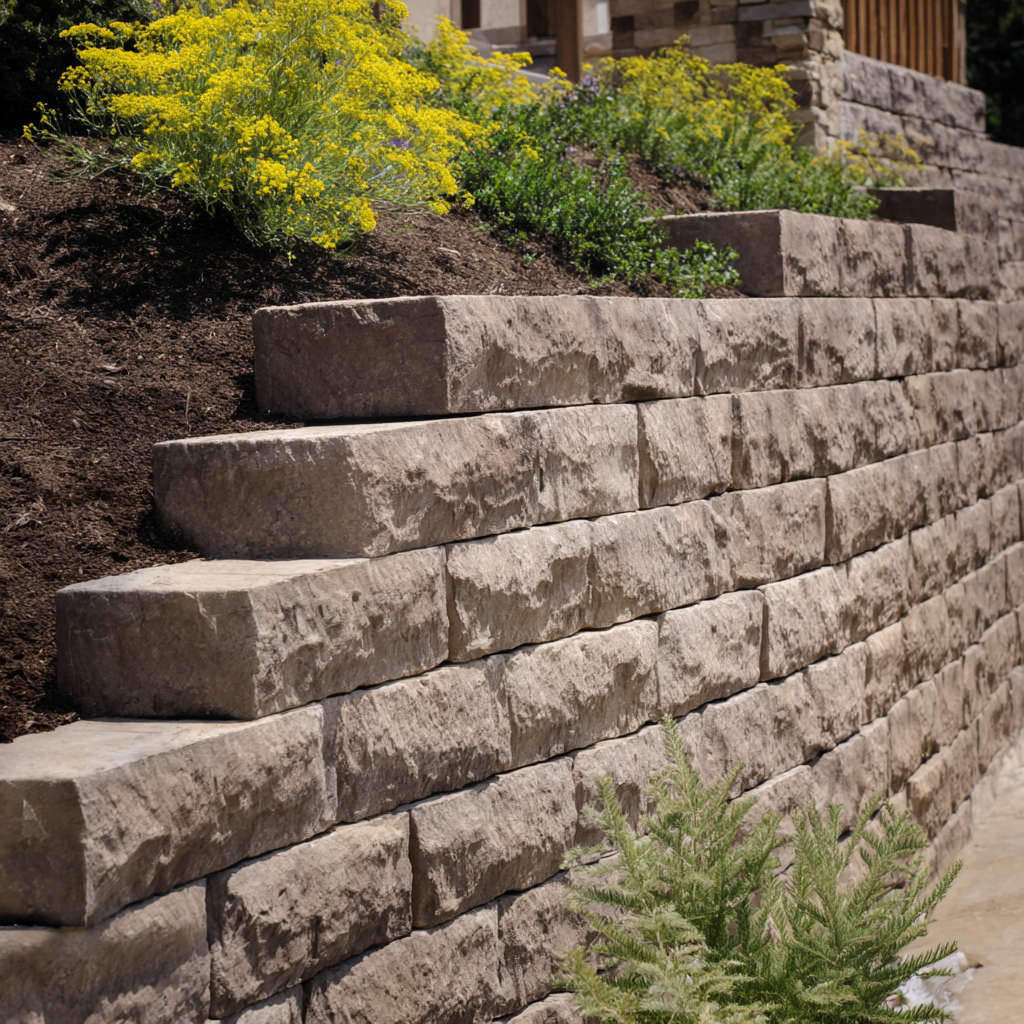
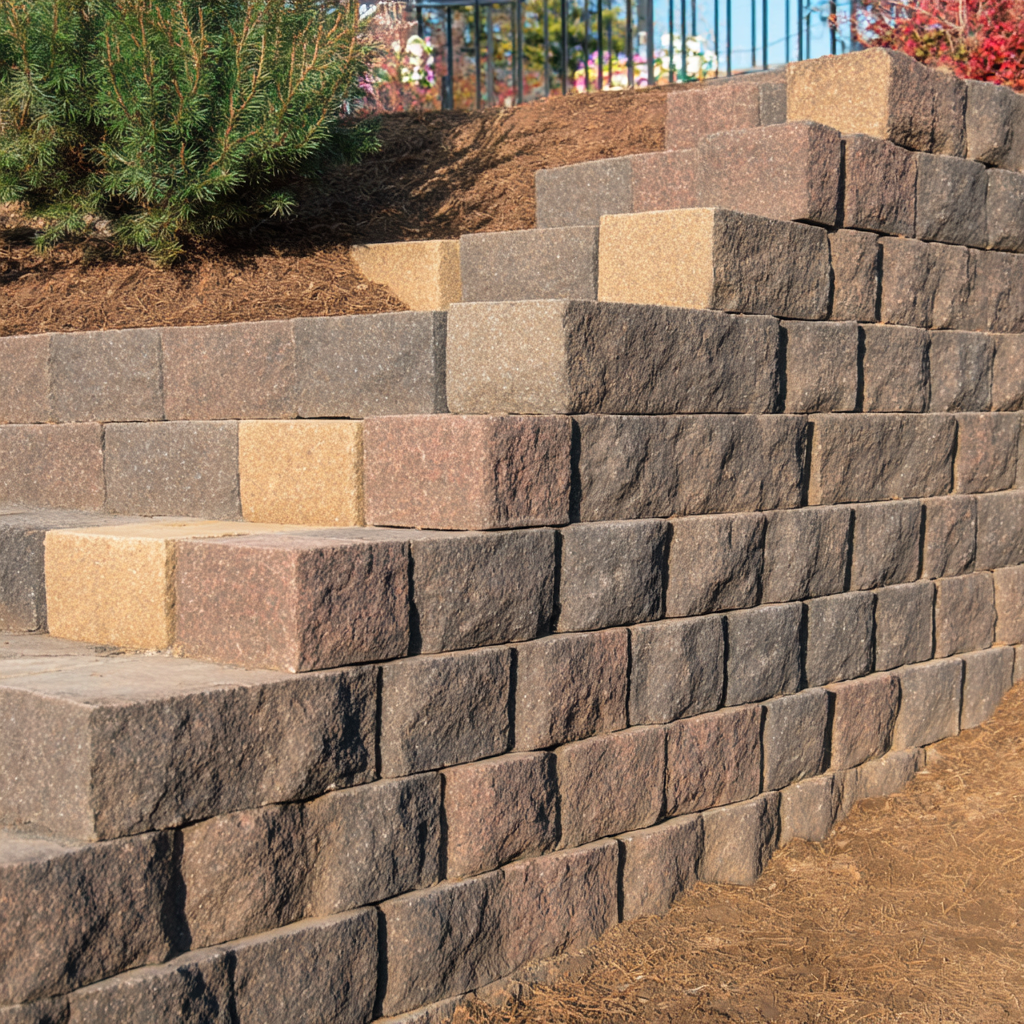
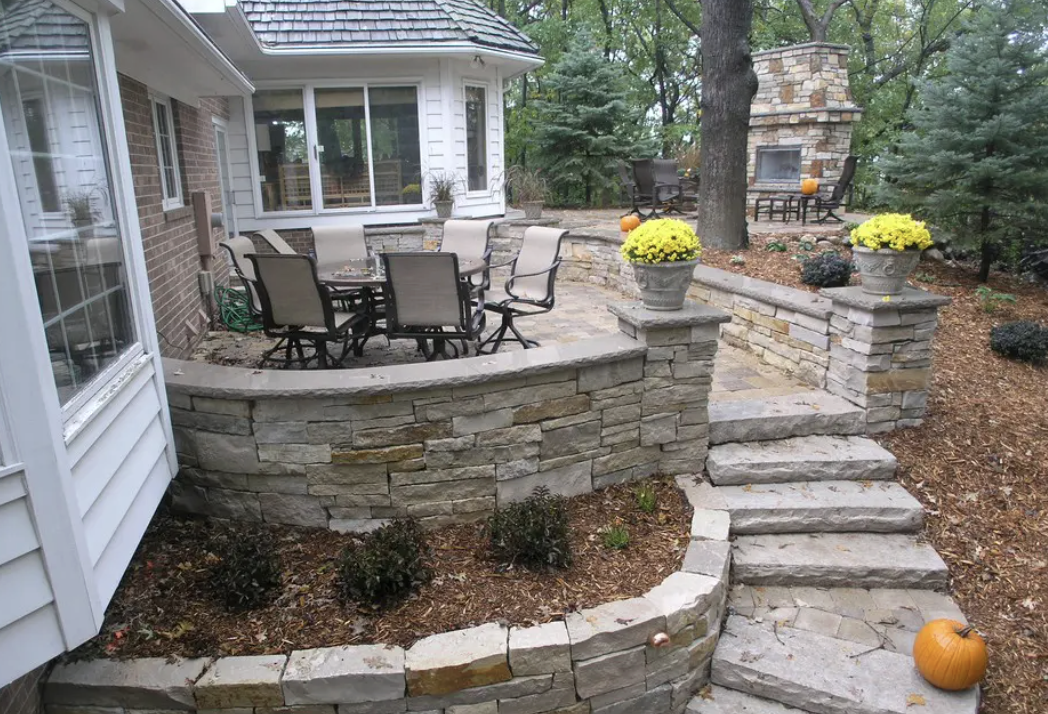
Today’s code-compliant solutions are light-years ahead of what was allowed even 15 years ago. For walls under 12 feet, reinforced segmental block systems (Allan Block, Keystone, Versa-Lok) with polymeric geogrid extending 60–100% of wall height into competent soil routinely achieve factors of safety above 1.5 even when fully saturated. For taller walls or space-constrained lots, we use soil-nail walls, tie-back anchors, or reinforced concrete cantilever designs with internal drainage blankets.
Every successful system includes a robust sub-drain network: 4-inch perforated pipe in gravel backfill every 50 vertical feet, chimney drains, and weep holes daylighting well below the wall toe. Top-of-slope water management — oversized gutters, concrete swales, and French drains — is equally critical. A typical 800–1,500 square foot wall face on a Peninsula lot, fully engineered and permitted, ranges from $38,000 to $95,000 depending on height, access, and soil conditions. That investment is usually 10–25% of what full hillside reconstruction costs after failure.
Your Peninsula Hillside Prevention Checklist
Walk your property today and answer honestly:
- Do you have tension cracks or leaning trees on the slope? → Schedule geotechnical review this week
- Are existing retaining walls built before 1995 or showing any bulging? → Plan replacement 2026–2027
- Is roof/surface water discharged anywhere near the top of the slope? → Redirect immediately
- No engineered sub-drainage behind current walls? → Budget retrofit or new wall
- Deck or pool cantilevered over the hillside without deep foundations? → Have analyzed for sliding
- Ready for peace of mind before the next series of storms? → Book the free review below
Key Takeaways & Free Geotechnical Review Offer
Peninsula Hillside Homeowner Summary – November 2025
• Shallow landslides are triggered by saturation, not just heavy rain intensity.
• Old retaining walls are failing because they were never designed for wet conditions.
• Modern reinforced systems + proper drainage = 95%+ risk reduction.
• Prevention costs 10–25% of reconstruction after failure.
Schedule your complimentary geotechnical site walk + stability review
Have questions about your specific slope or retaining wall? Message us— happy to help.