.png)
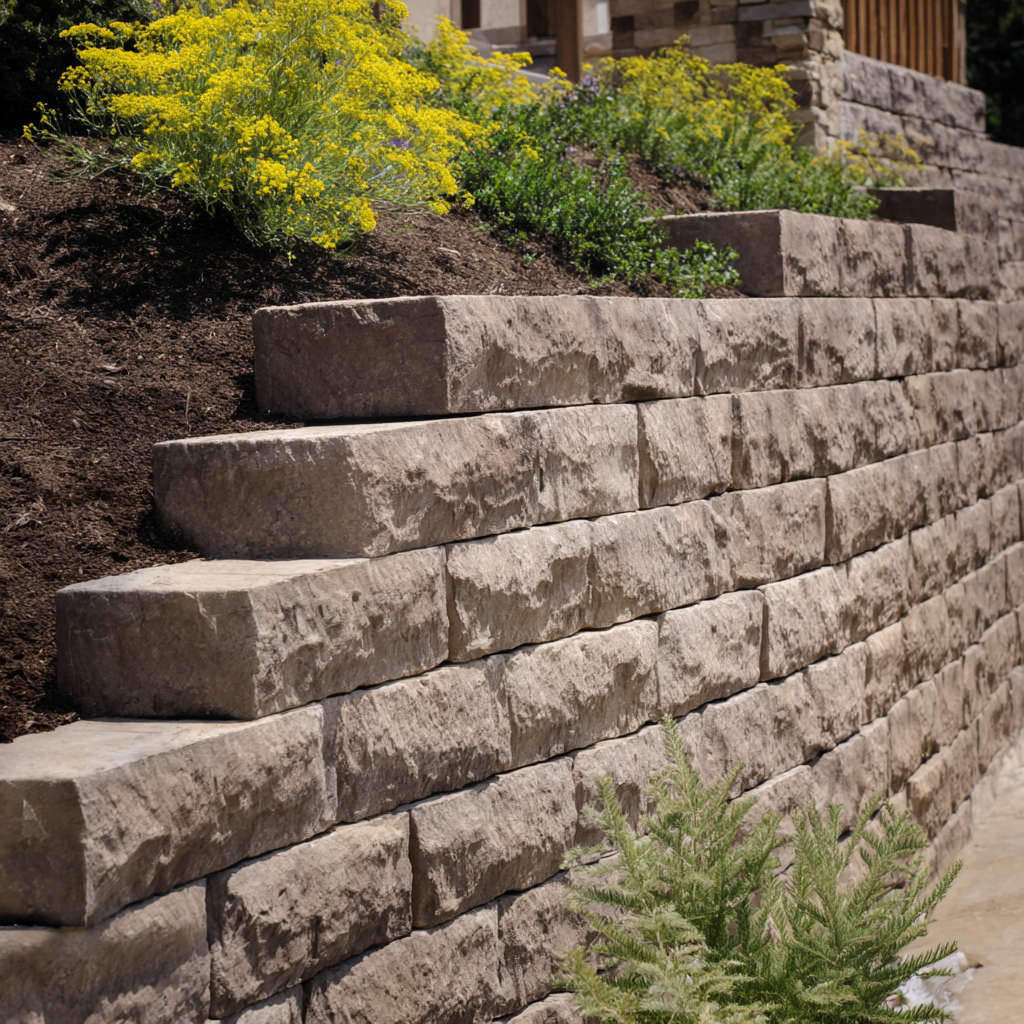
Table of Contents
Introduction
As environmental concerns continue to rise, homeowners are increasingly focused on sustainability in their landscaping projects. One critical aspect of landscape design is the use of retaining walls, which serve both functional and aesthetic purposes. However, the choice of materials can significantly impact the environment. In this article, we will explore eco-friendly retaining wall materials that not only enhance the beauty of your property but also contribute to a more sustainable future. We will delve into various options, their benefits, and practical applications, ensuring you make informed choices for your landscaping needs.
Understanding Retaining Walls
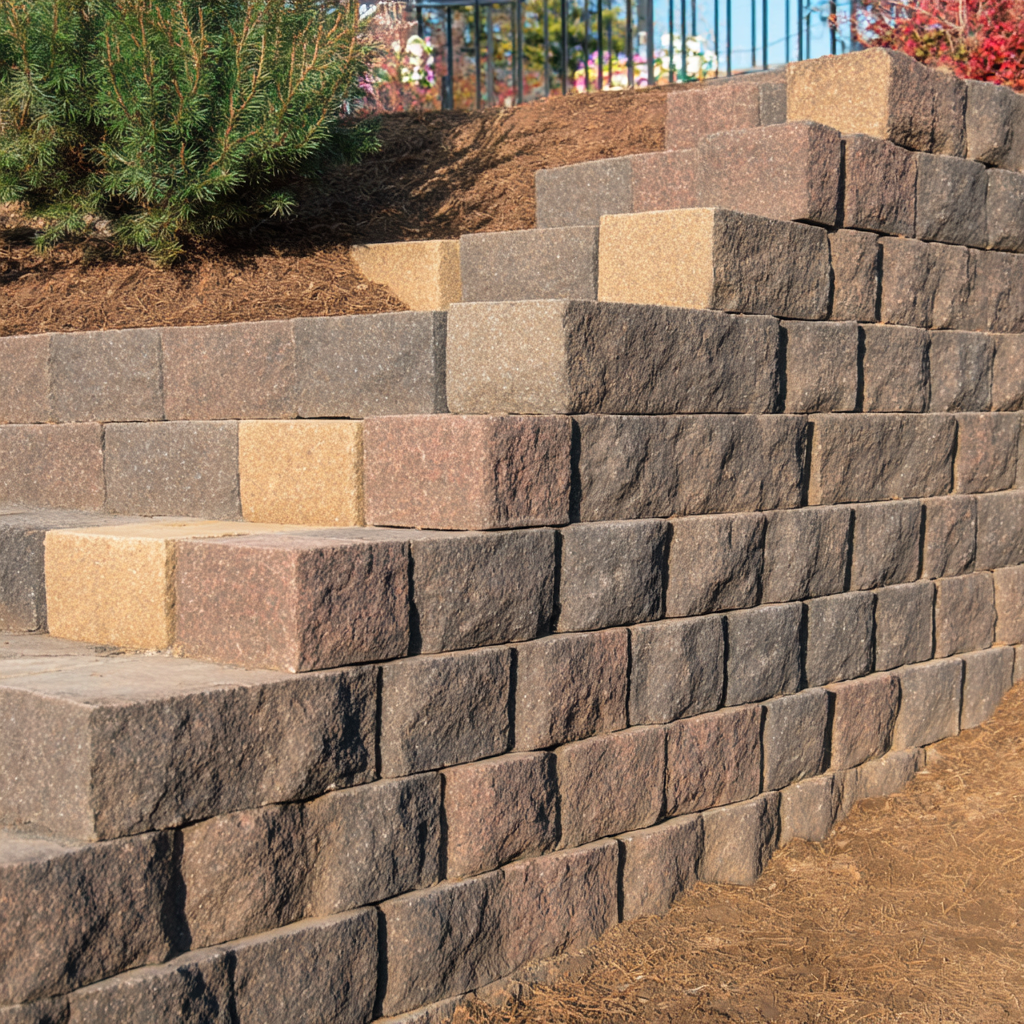
Retaining walls are structures designed to hold back soil and prevent erosion, especially on sloped landscapes. They can also create level areas for planting, patios, and walkways. The materials used for constructing retaining walls vary widely, from concrete and brick to natural stones and recycled materials. Each option has its own set of environmental impacts, which is why eco-friendly alternatives are becoming increasingly popular.
What is the purpose of a retaining wall?
The primary purpose of a retaining wall is to support soil laterally so that it can be retained at different levels on the two sides. This is particularly important for preventing soil erosion, managing water runoff, and creating usable outdoor spaces.
Importance of Eco-Friendly Materials
Choosing eco-friendly retaining wall materials is crucial for several reasons:
- Environmental Impact: Eco-friendly materials help reduce the carbon footprint associated with construction. For instance, using locally sourced materials minimizes transportation emissions.
- Resource Conservation: Sustainable materials often come from renewable resources or recycled content, helping to conserve natural resources.
- Health Benefits: Many traditional building materials contain harmful chemicals that can leach into the soil and water supply. Eco-friendly options are typically safer for both the environment and human health.
Why should I choose eco-friendly materials for my landscaping projects?
Opting for eco-friendly materials not only supports environmental sustainability but also enhances the aesthetic value of your landscape. Additionally, it can lead to long-term cost savings and improved property value.
Types of Eco-Friendly Retaining Wall Materials
There are several eco-friendly materials that you can choose from for your retaining wall projects:
1. Recycled Concrete
Recycled concrete is made from crushed concrete debris, reducing the need for new concrete production. This material is durable, cost-effective, and can be used in various applications.
2. Natural Stone
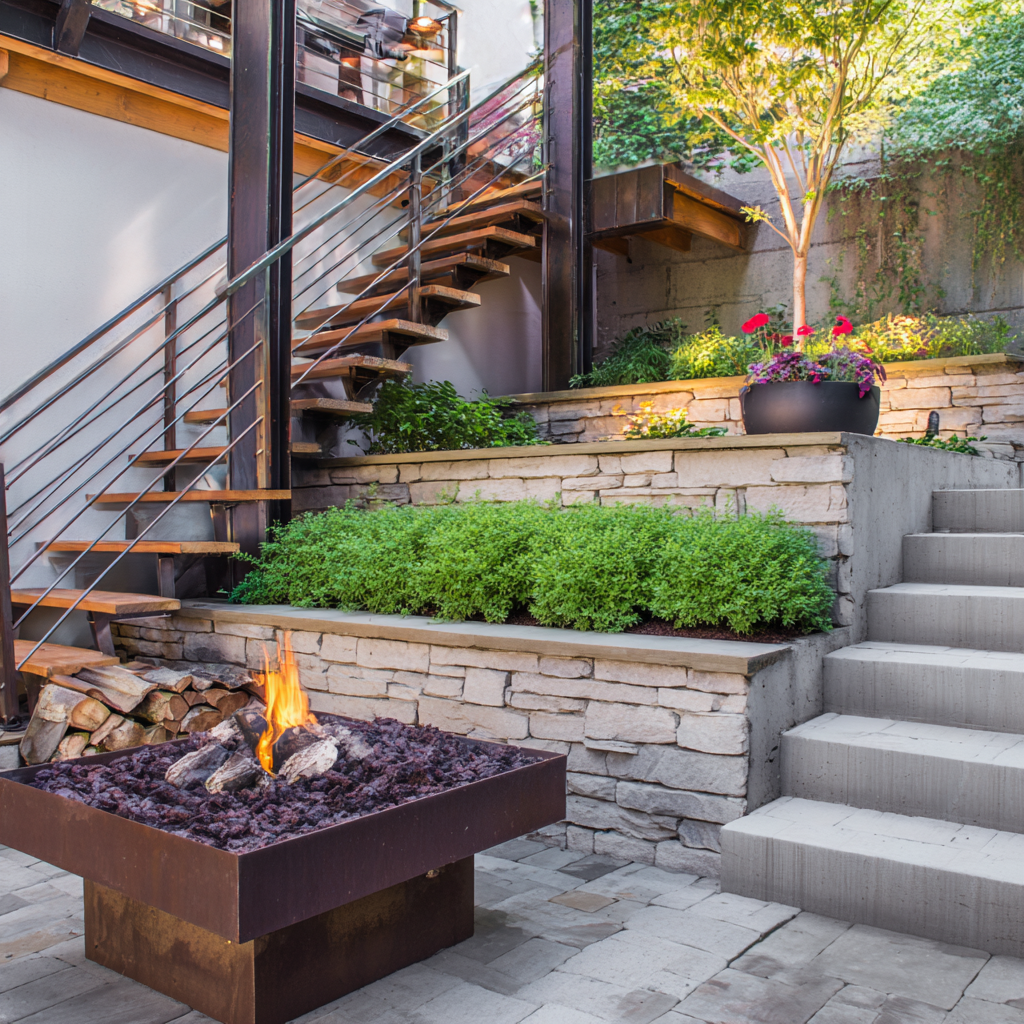
Natural stone is a timeless choice for retaining walls. It is durable and blends seamlessly with the natural landscape. Sourcing local stone can further reduce environmental impact.
3. Rammed Earth
Rammed earth walls are made by compacting a mixture of soil, sand, and gravel. This method is highly sustainable as it uses natural materials and has a low carbon footprint.
4. Timber from Sustainable Sources
Using timber from sustainably managed forests ensures that your retaining wall is eco-friendly. Look for certifications like FSC (Forest Stewardship Council) to ensure responsible sourcing.
5. Gabion Walls
Gabion walls are made from wire mesh cages filled with rocks or recycled materials. They are highly effective for erosion control and can be visually appealing when filled with colorful stones.
6. Straw Bales
Straw bales can be used as an innovative and sustainable option for retaining walls. They are biodegradable and provide excellent insulation.
Benefits of Eco-Friendly Retaining Wall Materials
The benefits of utilizing eco-friendly materials for retaining walls are manifold:
- Durability: Many eco-friendly materials, such as natural stone and recycled concrete, offer excellent durability and longevity, reducing the need for frequent replacements.
- Aesthetic Appeal: Eco-friendly materials can enhance the visual appeal of your landscape, providing a natural look that integrates well with the surroundings.
- Cost-Effectiveness: While some eco-friendly materials may have a higher upfront cost, they often result in savings over time due to their durability and reduced maintenance needs.
- Water Management: Many eco-friendly options, like gabion walls, can improve drainage and manage water runoff effectively, protecting your landscape from erosion.
How do eco-friendly materials contribute to sustainability?
Eco-friendly materials contribute to sustainability by reducing resource depletion, minimizing pollution, and promoting biodiversity. They often use renewable resources and can be recycled at the end of their life cycle.
Cost-Benefit Analysis
When considering eco-friendly retaining wall materials, it's essential to weigh the costs against the benefits. The following table summarizes the average costs and benefits of various eco-friendly materials:
| Material | Average Cost per Square Foot | Longevity (Years) | Environmental Impact |
|---|---|---|---|
| Recycled Concrete | $10 | 30 | Low |
| Natural Stone | $15 | 50+ | Moderate |
| Rammed Earth | $12 | 100 | Very Low |
| Sustainable Timber | $8 | 20 | Moderate |
| Gabion Walls | $9 | 30 | Low |
| Straw Bales | $6 | 5-10 | Very Low |
What factors should I consider when evaluating the cost of materials?
When evaluating costs, consider the initial purchase price, installation costs, longevity, maintenance requirements, and potential environmental benefits. This comprehensive approach will help you make the most informed decision.
Case Studies
To illustrate the effectiveness of eco-friendly retaining wall materials, here are a few case studies:
Case Study 1: Community Park in California
A community park in California utilized recycled concrete for its retaining walls. The project not only saved costs but also contributed to a significant reduction in waste, diverting over 500 tons of concrete from landfills.
Case Study 2: Residential Landscape in Oregon
A homeowner in Oregon chose natural stone for their retaining wall, enhancing the property's aesthetic appeal while ensuring durability. The local sourcing of materials minimized transportation emissions.
Common Questions
What are the best eco-friendly materials for retaining walls?
The best eco-friendly materials include recycled concrete, natural stone, rammed earth, sustainable timber, gabion walls, and straw bales. Each material has its unique benefits and applications.
How can I ensure my retaining wall is environmentally friendly?
To ensure your retaining wall is environmentally friendly, choose materials that are locally sourced, renewable, or recycled. Additionally, consider the installation methods to minimize environmental impact.
Conclusion
As homeowners become more environmentally conscious, the demand for eco-friendly retaining wall materials continues to grow. By selecting sustainable options, you not only enhance your landscape's beauty but also contribute to a healthier planet. Whether you opt for recycled concrete, natural stone, or innovative materials like rammed earth, each choice plays a role in promoting sustainability. Make informed decisions, and your landscaping projects can reflect your commitment to the environment.
Key Takeaways
• Eco-friendly retaining wall materials contribute to sustainability and enhance landscape aesthetics.
• Options include recycled concrete, natural stone, rammed earth, sustainable timber, gabion walls, and straw bales.
• Consider the long-term benefits and costs when selecting materials for your retaining wall projects.
By: Eco Landscaping Expert
 Schedule Design Consultation