.png)
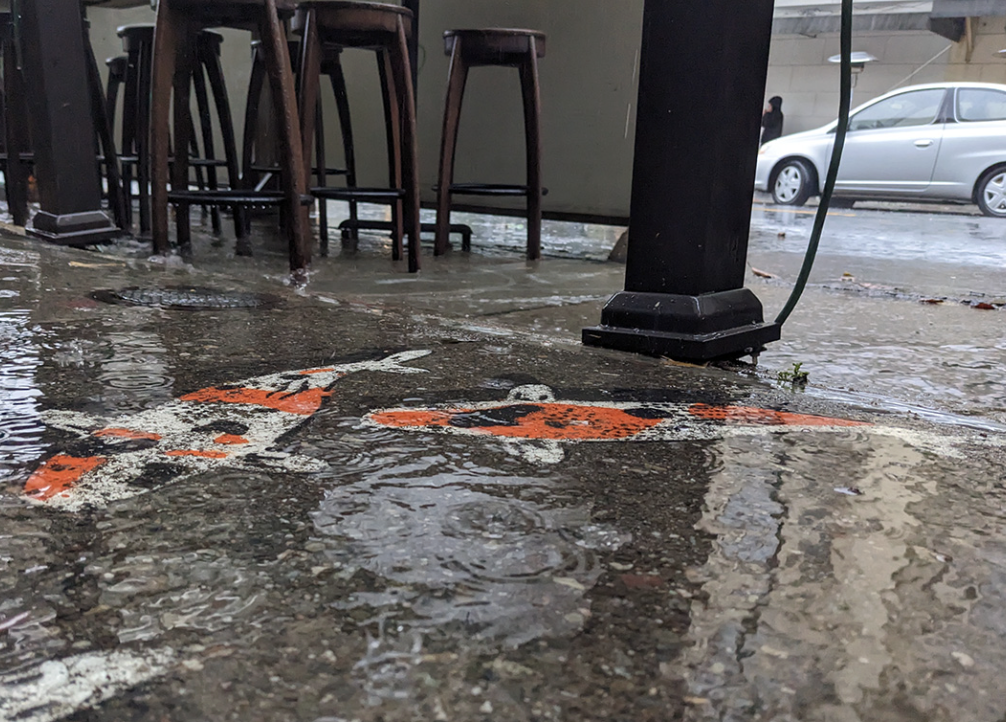
Table of Contents
- Why San Francisco Clogged Drains 2025 Hit So Hard
- The 5 Neighborhoods That Flooded Worst This Week
- What Actually Clogs SF Storm Drains (It’s Not Just Leaves)
- How to Report Flooded Drains SF 311 – The Right Way
- Immediate Fixes You Can Do This Weekend
- Permanent Homeowner Solutions (Cost vs Payoff)
- Your 2025 SF Drainage Action Checklist
- Key Takeaways & Free Download
Why San Francisco Clogged Drains 2025 Hit So Hard
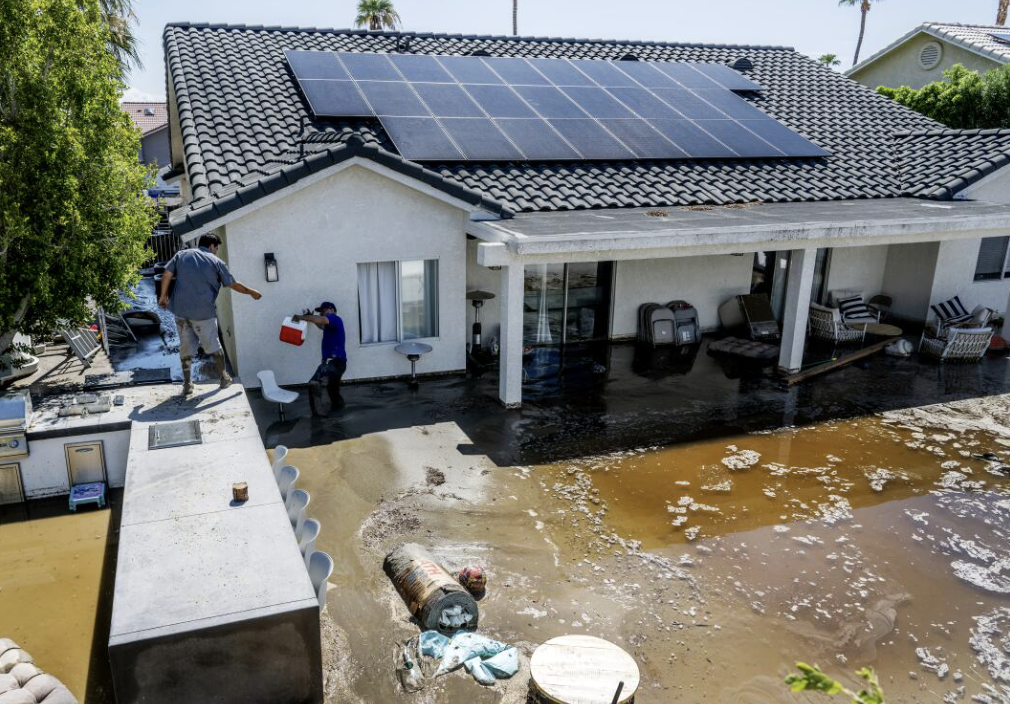
Between November 13–15, 2025, San Francisco’s 100+ year-old combined sewer system was completely overwhelmed. The atmospheric river dropped 0.75–1.5 inches in hours, but the real culprit was decades of neglected catch basins and street gutters packed with leaves, trash, and construction silt. Entire blocks in the Haight, Mission, and Sunset turned into lakes because water had nowhere to go.
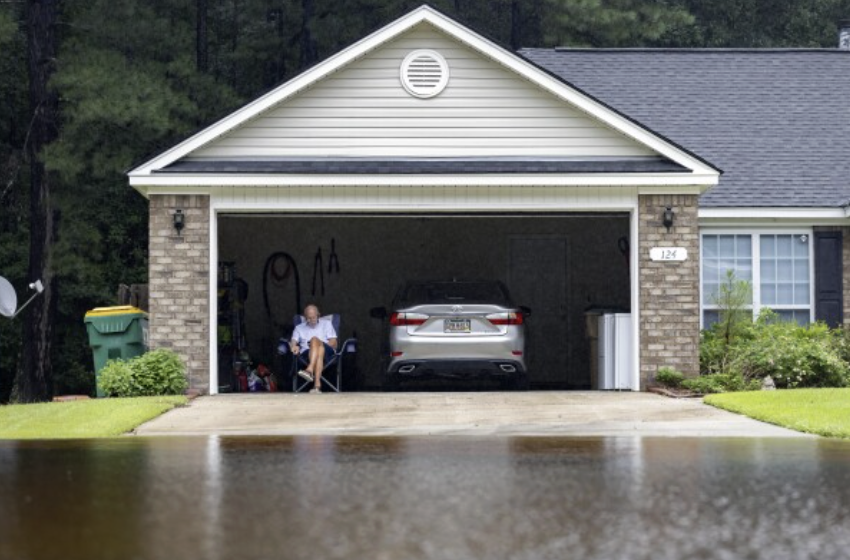
For single-family homeowners, this meant water shooting out of street drains and straight into garages, basements, and side yards. One Noe Valley client had 14 inches in their finished basement — all because the catch basin 20 feet away was 100% clogged.
The 5 Neighborhoods That Flooded Worst This Week
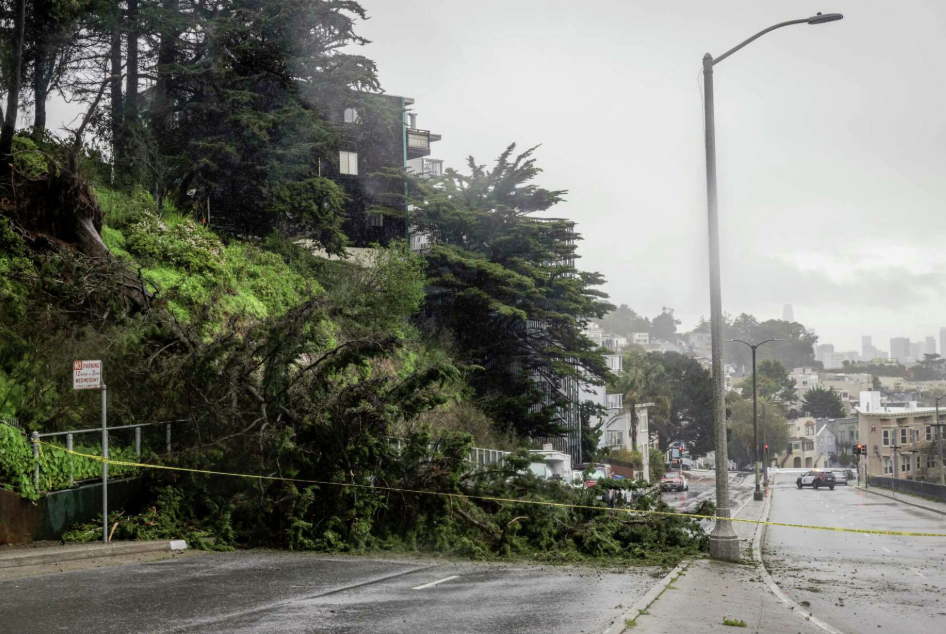
- Haight-Ashbury & Cole Valley – Tree-heavy streets + steep hills = instant rivers down Ashbury and Clayton.
- Mission District (16th, 24th, Valencia) – Flat terrain + decades of restaurant grease in drains = zero flow.
- Sunset & Richmond (outer avenues) – Fog-belt leaves never dry out, creating perfect plugs.
- Excelsior & Portola – Construction boom left silt in every basin.
- Bernal Heights (lower slopes) – Downhill runoff with no place to go once street drains failed.
What Actually Clogs SF Storm Drains (It’s Not Just Leaves)
- Wet autumn leaves (obvious but still #1)
- Restaurant grease & food waste (Mission & North Beach)
- Construction dirt & concrete slurry (SoMa, Dogpatch, Mission Bay)
- Plastic bags & single-use trash (blows in from everywhere)
- Tree roots growing into the city lateral (older neighborhoods)
SF Public Works cleared over 1,800 tons of debris in the 72 hours after the storm — that’s enough to fill 180 dump trucks.
How to Report Flooded Drains SF 311 – The Right Way
Don’t just call and hope. Do this:
- Download the SF311 app (or text photos to 415-701-2311)
- Take a clear photo of the clogged basin with the nearest address visible
- Use exact wording: “Clogged catch basin causing street flooding at [intersection]”
- Select “Blocked Storm Drain” → “Flooding in street” → mark urgency HIGH
Crews prioritize high-urgency tickets. Homes that sent photos with addresses got cleared in 30–90 minutes. Others waited 12+ hours.
Immediate Fixes You Can Do This Weekend
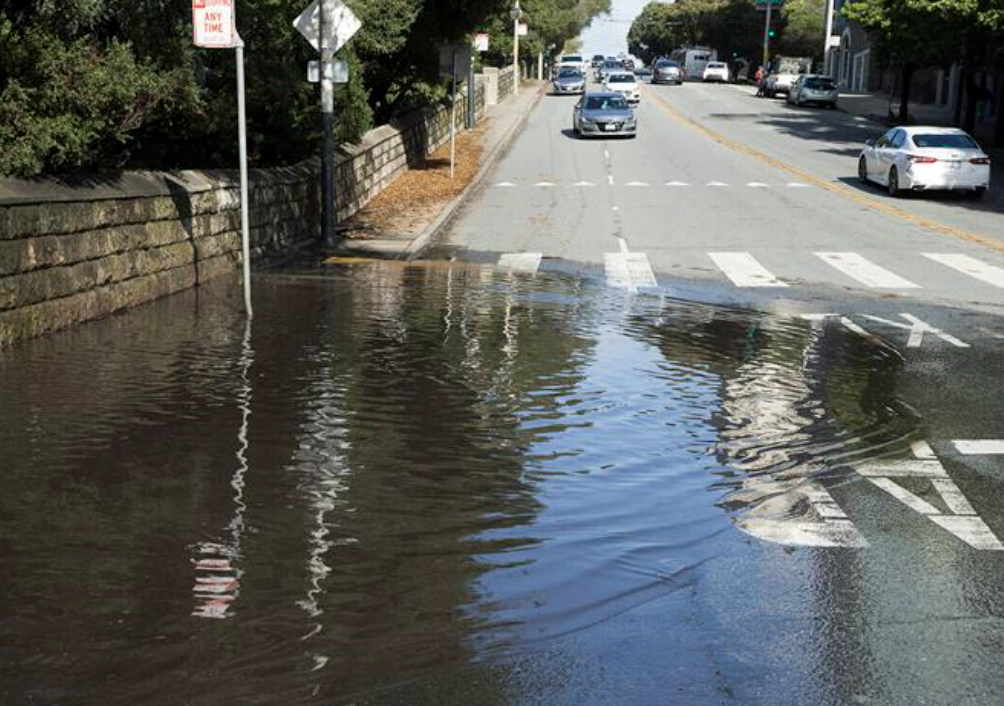
You’re legally allowed to clear the public catch basin in front of your house (as long as you don’t go into the street while traffic is moving).
Tools needed ($60 total at Cole Hardware):
- Flat-head shovel
- Rake
- Heavy-duty trash bags
- Knee pads & gloves
Steps:
- Wait for traffic to clear or put out cones
- Rake leaves away from the grate
- Shovel sludge into bags (it’s gross but effective)
- Flush with garden hose if safe
One Bernal Heights homeowner cleared their corner basin in 12 minutes — the entire block drained in under an hour.
Permanent Homeowner Solutions (Cost vs Payoff)
The most effective long-term fixes start at the top of your house and work their way down to the ground. Installing high-quality gutter leaf guards—stainless micro-mesh or solid surface covers—runs $1,800 to $3,200 for a typical San Francisco single-family home and immediately stops 70–80% of future problems by keeping leaves and debris out of your downspouts year-round.
Pair that with extending every downspout at least 10 feet away from the foundation (usually $800–$1,500) and you’ll eliminate another huge chunk of risk—most homes that flooded this month had downspouts dumping water right against the foundation walls.
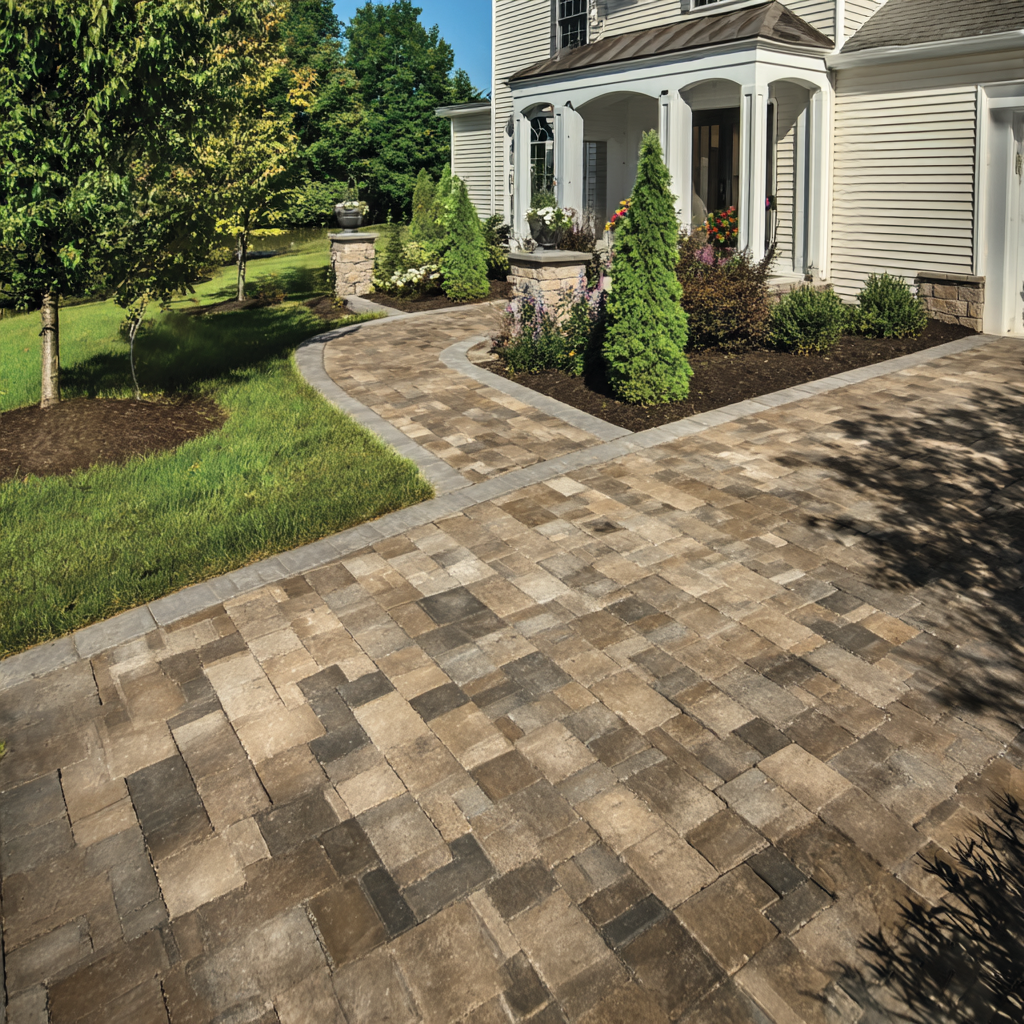
For homes on hills or with chronic pooling, adding a French drain or uphill catch basin system costs $4,500–$9,000 but blocks 90–95% of surface water before it ever reaches your basement or crawlspace. If your rear yard is the main problem area, a full regrade combined with permeable pavers can run $18,000–$35,000, yet it delivers near-100% protection by letting rainwater soak into the ground instead of running toward your house.
Finally, if you experienced any sewer gurgling or backup during the storm, a professionally installed backwater valve on your sewer lateral ($3,800–$5,200) is non-negotiable—it physically prevents city sewer water from ever flowing back into your home, no matter how clogged the street drains get. Most homeowners recoup the cost of these upgrades with the very first claim they avoid.

Your 2025 SF Drainage Action ChecklistPrint this and walk your property today:
- Gutters full or spilling over the front? → Book cleaning + guards before Thanksgiving
- Downspouts end closer than 6 ft to house? → Extend this month
- Catch basin in front of your house clogged? → Clear it yourself or report to 311 with photo
- Water pools against foundation after rain? → Mark for French drain quote
- Lower-level toilet gurgled during storm? → Backwater valve needed ASAP
- Sidewalk cracked and sunken? → Schedule mudjacking + regrade
Key Takeaways
San Francisco Clogged Drains 2025 Summary
• The city’s system failed because decades of debris finally met a big storm.
• Homeowners who cleared their own block drained 10× faster than those who waited.
• Gutters + downspout extensions stop 75% of problems for under $3,000.
• Next storm is already in the forecast — act this week.
Which neighborhood are you in and how bad was your street this week? Drop it in the comments — let’s crowdsource the worst blocks so we all know where to watch next time.