.png)
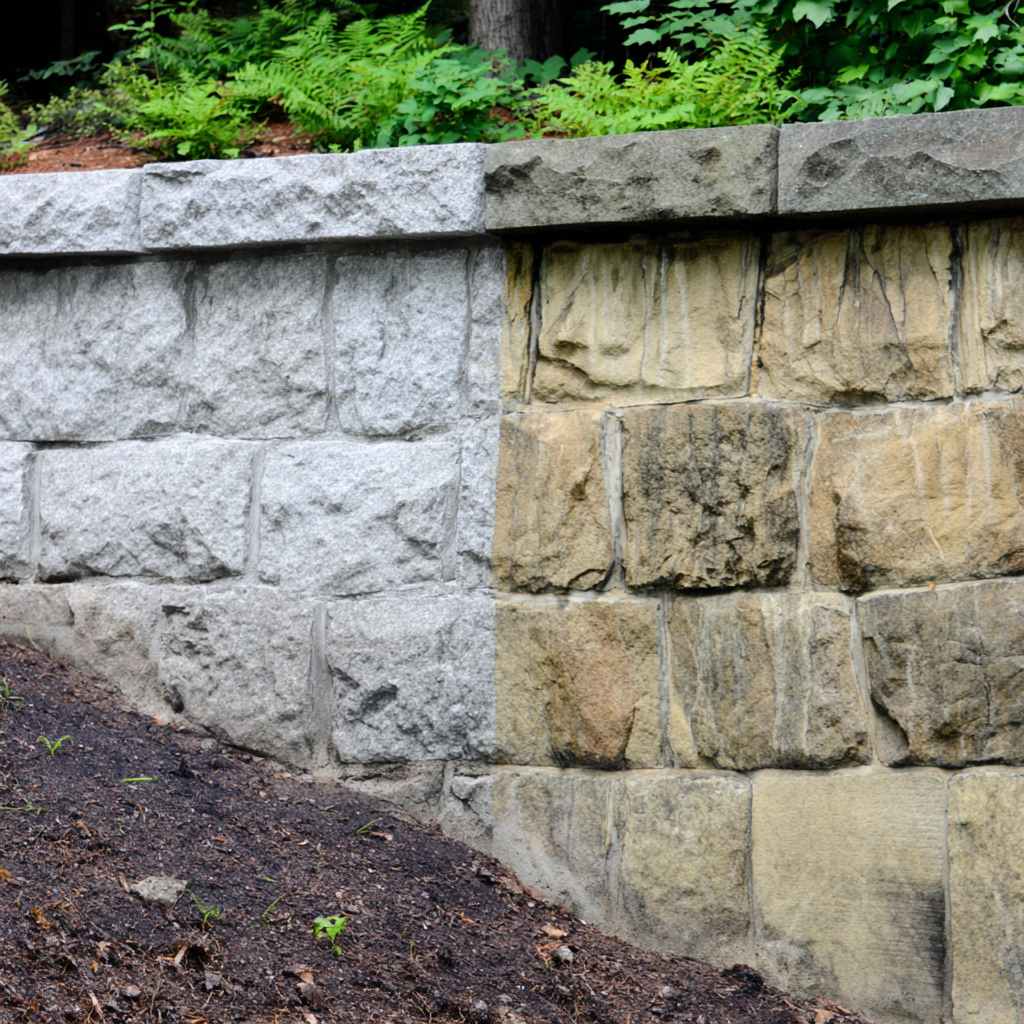
Table of Contents
- Introduction
- Understanding Retaining Walls
- Durability Factors
- Maintenance Considerations
- Cost Analysis
- Case Studies
- Frequently Asked Questions
- Conclusion
- Key Takeaways
Introduction
When it comes to landscaping, particularly in areas with varying climates like California, the choice between concrete and stone retaining walls is crucial. Homeowners often grapple with the durability of concrete vs. stone retaining walls as they consider longevity, aesthetic appeal, and maintenance costs. This article delves into the characteristics of both materials, providing insights that will aid in making an informed decision.
Understanding Retaining Walls
Retaining walls serve multiple purposes in landscaping, including:
- Soil Retention: They prevent soil erosion by holding back soil on slopes.
- Aesthetic Appeal: They can enhance the visual appeal of gardens and yards.
- Functional Spaces: They create usable flat areas in hilly landscapes.
Both concrete and stone walls can fulfill these roles, but they do so in different ways.
What are the main types of retaining walls?
There are several types of retaining walls, including:
- Gravity Walls: Rely on their weight to hold back soil.
- Cantilever Walls: Utilizes leverage to resist soil pressure.
- Anchored Walls: Use cables or rods anchored into the ground for additional support.
Durability Factors
The durability of retaining walls is influenced by various factors, including:
- Material Strength: Concrete is typically more resistant to cracking and can withstand heavy loads better than natural stone.
- Environmental Conditions: Stone may better resist weathering and erosion in certain climates, while concrete can be vulnerable to freeze-thaw cycles.
- Installation Quality: The durability of both materials heavily relies on proper installation techniques.
How long do retaining walls typically last?
With proper care, concrete retaining walls can last 50-100 years, while stone walls can last over a century. Factors such as climate, soil conditions, and maintenance practices significantly affect the lifespan of both types.
Maintenance Considerations
Maintenance is essential for prolonging the life of retaining walls:
- Concrete Maintenance: Requires sealing to prevent water infiltration, cracks should be repaired promptly.
- Stone Maintenance: Generally requires less maintenance but may need occasional repointing of mortar joints.
What maintenance do concrete retaining walls require?
Concrete walls should be inspected regularly for cracks and weathering. Sealing the surface every few years helps prevent water damage.
Cost Analysis
When considering the durability of concrete vs. stone retaining walls, it's essential to analyze the costs:
| Material | Initial Cost per Square Foot | Estimated Maintenance Cost per Year | Average Lifespan |
|---|---|---|---|
| Concrete | $15–$30 | $1–$5 | 50–100 years |
| Stone | $25–$50 | $0–$3 | 100+ years |
This table illustrates that while stone may have a higher initial cost, its longevity and lower maintenance costs can make it a more economical choice over time.
Case Studies
To better understand the practical implications of choosing between concrete and stone retaining walls, let's look at a few case studies:
Case Study 1: Residential Property in San Diego
A homeowner opted for a concrete retaining wall due to its strength and lower initial cost. After 20 years, minor cracks appeared, but regular sealing and maintenance have extended its life significantly.
Case Study 2: Commercial Landscaping in Napa Valley
A vineyard chose stone retaining walls for aesthetic reasons and durability. After 30 years, the walls have required minimal maintenance, proving to be a wise investment.
Frequently Asked Questions
Which is more environmentally friendly, concrete or stone?
Stone is often considered more environmentally friendly as it is a natural material, while concrete production involves significant energy consumption.
Can I build a retaining wall myself?
While it is possible to build a retaining wall yourself, hiring a professional is recommended, especially for larger walls that require engineering considerations.
What are the aesthetic options for concrete retaining walls?
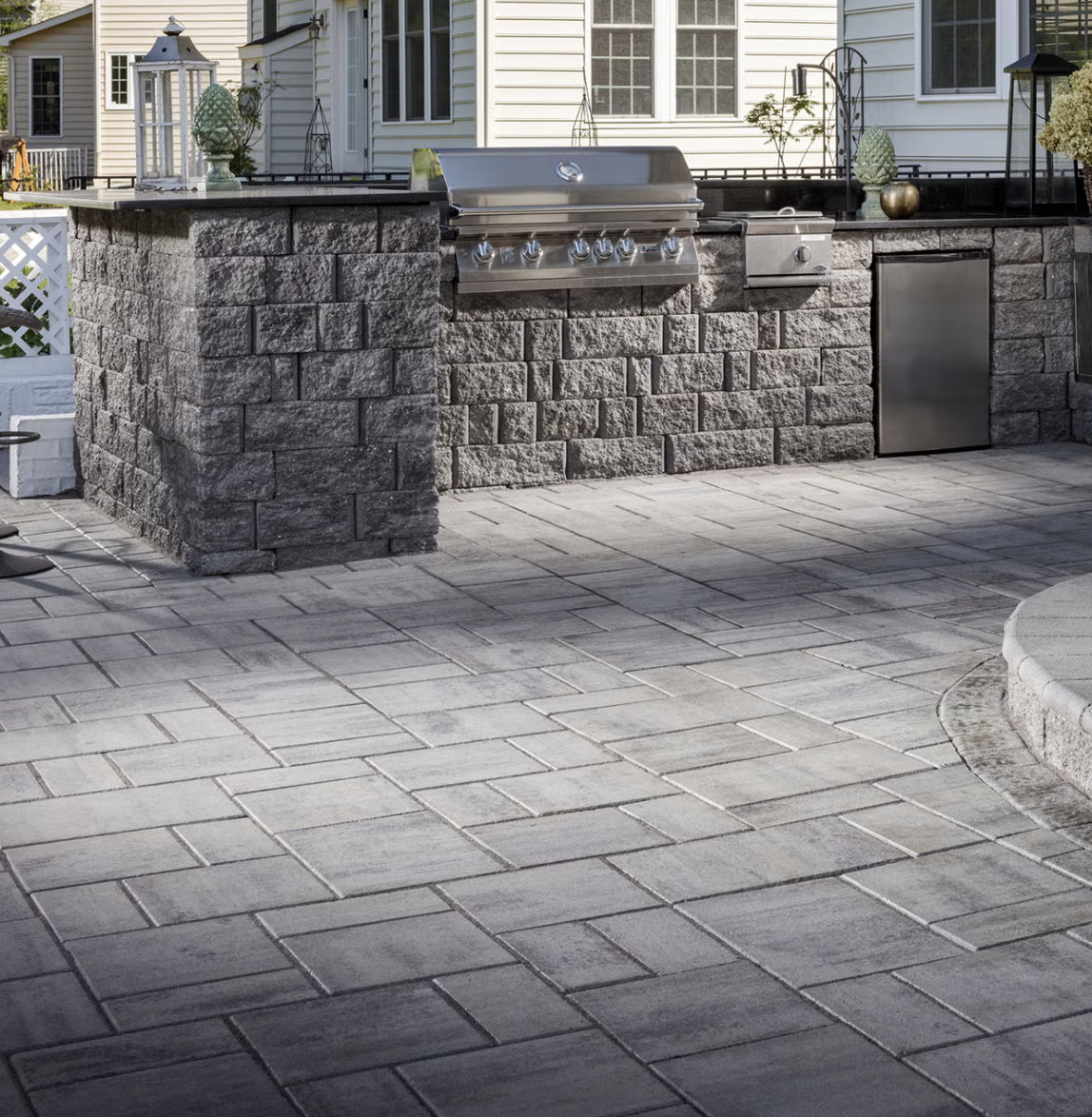
Concrete walls can be colored, stamped, or textured to mimic natural stone, providing a variety of aesthetic options.
Conclusion
In summary, understanding the durability of concrete vs. stone retaining walls is vital for homeowners. Each material has its advantages and drawbacks, and the best choice depends on individual circumstances, including budget, climate, and aesthetic preferences. Concrete walls offer strength and lower initial costs, while stone walls provide longevity and minimal maintenance needs.
Key Takeaways
- Concrete is often cheaper initially but may require more maintenance.
- Stone provides a longer lifespan with less maintenance but at a higher upfront cost.
- Consider local climate conditions when choosing materials.
- Both materials serve essential roles in landscaping and can enhance property value.
 Schedule Design Consultation