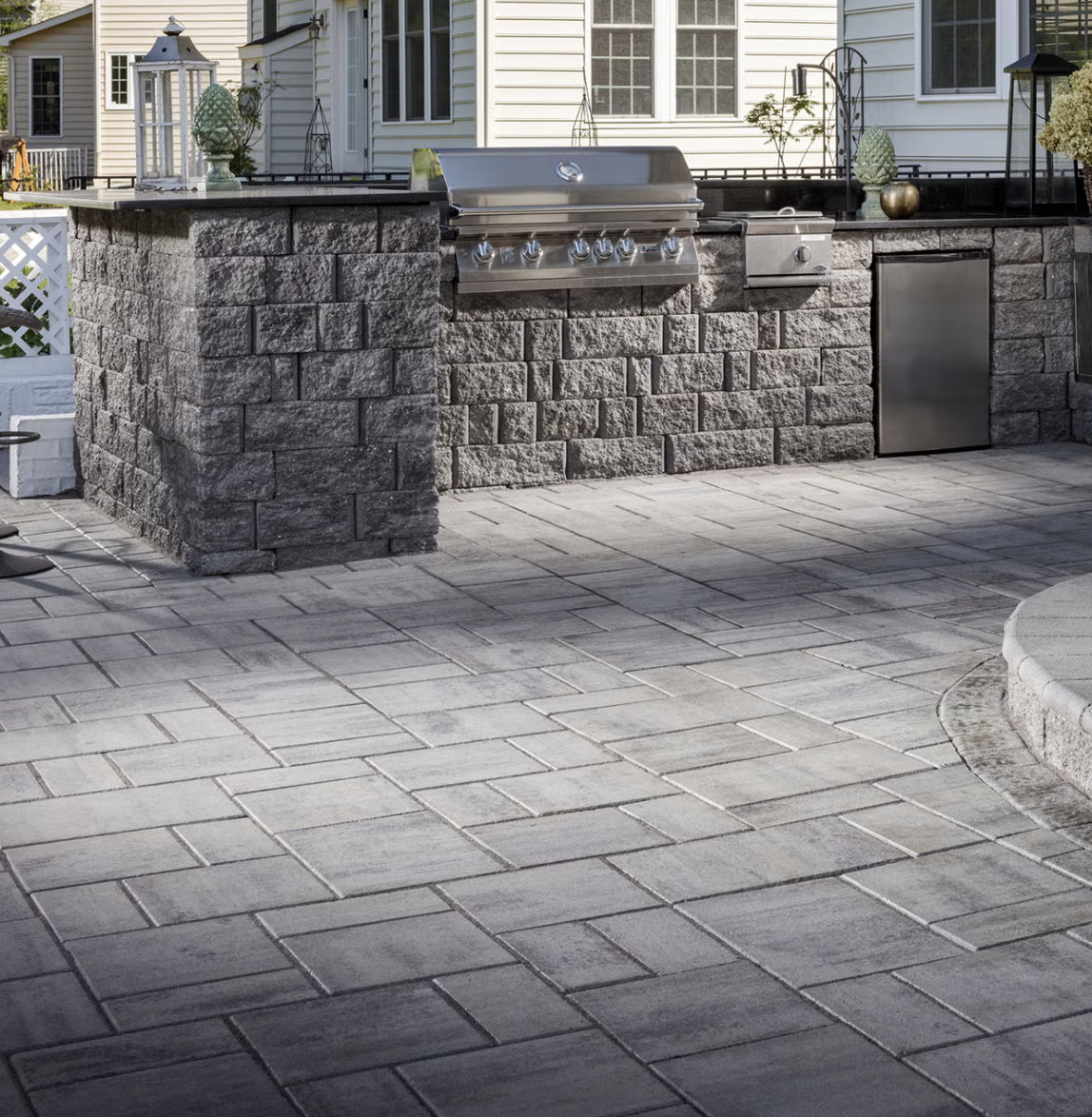
.png)

Table of Contents
Introduction
Retaining walls serve a critical role in landscape architecture, providing support and stability to slopes and preventing soil erosion. However, without proper drainage, these structures can become compromised, leading to significant structural damage over time. In this article, we will delve into various retaining wall drainage solutions that homeowners can implement to ensure the longevity and effectiveness of their landscape features. By understanding the importance of drainage and exploring effective techniques, you can protect your investment and maintain the aesthetic appeal of your property.
Importance of Proper Drainage
Water buildup behind retaining walls can exert immense pressure on the structure, leading to potential failure. Proper drainage is essential for several reasons:
- Prevention of Water Accumulation: Excess water can lead to soil saturation, which increases the weight behind the wall and can cause it to bow or crack.
- Protection Against Erosion: Effective drainage helps to direct water away from the wall, minimizing soil erosion and maintaining the integrity of your landscape.
- Longevity of the Structure: By implementing proper drainage solutions, you can extend the lifespan of your retaining wall, saving you from costly repairs or replacements.
In summary, understanding the importance of proper drainage is the first step in safeguarding your retaining wall against potential damage.
Effective Drainage Techniques
There are several effective techniques homeowners can use to ensure proper drainage for their retaining walls. Below are some of the most common methods:
1. Weep Holes
Weep holes are small openings placed at the bottom of a retaining wall that allow water to escape. They are essential for preventing water buildup behind the wall.
- How They Work: Weep holes work by allowing water that accumulates behind the wall to drain out, reducing pressure on the wall and preventing structural damage.
- Installation: Weep holes should be spaced evenly along the base of the wall, typically every 4 to 6 feet, and should be at least 1 inch in diameter.
2. Drainage Pipes
Installing drainage pipes behind the retaining wall is an effective way to manage water flow.
- How They Function: These pipes collect and redirect water away from the wall, ensuring that it does not accumulate behind it.
- Installation Tips: Use perforated pipes surrounded by gravel to facilitate water flow and prevent clogs. Ensure the pipes slope away from the wall for effective drainage.
3. Gravel Backfill
Using gravel as backfill material behind the retaining wall can significantly improve drainage.
- Benefits: Gravel allows water to flow freely, reducing the risk of saturation and pressure buildup behind the wall.
- Installation Recommendations: Use a mix of gravel sizes to enhance drainage efficiency and ensure proper compaction.
4. French Drains
A French drain is a trench filled with gravel or rock that directs water away from the area.
- How They Work: French drains collect water from the surrounding soil and channel it away from the retaining wall, preventing water accumulation.
- Installation Steps: Dig a trench that slopes away from the wall, lay perforated pipe at the bottom, and cover it with gravel.
5. Surface Drainage Solutions
Implementing surface drainage solutions can help manage water runoff and prevent it from pooling near the retaining wall.
- Techniques: Create swales or ditches to redirect water and consider installing gutters and downspouts to channel water away from the wall.
- Maintenance: Regularly check and maintain these systems to ensure they are functioning properly and not clogged with debris.
These drainage techniques can be tailored to suit the specific needs of your landscape and retaining wall. It's essential to assess your property and choose the methods that will work best for your situation.
Common Issues with Retaining Walls
Even with proper drainage solutions, retaining walls can still face challenges. Below are some common issues and their solutions:
1. Cracking
Cracks can appear in retaining walls due to various factors, including poor drainage, soil movement, or inadequate construction.
- Prevention: Ensure that proper drainage systems are in place and that the wall is built to withstand soil pressures.
- Repair: Small cracks can often be filled with mortar or concrete, while larger cracks may require professional assessment.
2. Bowing
Bowing occurs when the wall is pushed inward due to excessive pressure from water-saturated soil.
- Prevention: Implement effective drainage solutions to reduce soil saturation and pressure.
- Repair: Bowed walls may need to be reinforced or rebuilt, depending on the extent of the damage.
3. Erosion
Erosion can undermine the base of a retaining wall, leading to instability.
- Prevention: Use landscaping techniques to stabilize the soil and direct water flow away from the wall.
- Repair: Erosion can often be addressed by adding soil and reinforcing the area with vegetation or rocks.
By being aware of these common issues, homeowners can take proactive measures to address them and maintain the integrity of their retaining walls.
Case Studies
To illustrate the effectiveness of proper drainage solutions, let’s look at a couple of case studies:
Case Study 1: Residential Property with Weep Holes
A homeowner in a hilly region installed a retaining wall to support their backyard. Initially, they did not include weep holes, leading to significant water buildup behind the wall. After experiencing bowing and cracking, they consulted a professional who recommended adding weep holes. After installation, the water pressure decreased, and the wall stabilized.
Case Study 2: Commercial Property with French Drains
A commercial property faced flooding issues around its retaining wall. The property manager decided to install a French drain system to redirect water. The project involved digging trenches filled with gravel and perforated pipes. Post-installation, the property experienced a significant reduction in water accumulation, preserving the integrity of the retaining wall.
These case studies demonstrate the importance of implementing effective drainage solutions to prevent structural issues and maintain the functionality of retaining walls.
Frequently Asked Questions
What are the signs of drainage problems with retaining walls?
Common signs include cracking, bowing, and water pooling behind the wall. If you notice any of these issues, it's essential to address drainage immediately.
How often should I inspect my retaining wall for drainage issues?
It's advisable to inspect your retaining wall at least once a year, particularly after heavy rainfall or storms. Regular maintenance can help catch problems early.
Can I install drainage solutions myself?
Many homeowners can install simple drainage solutions like weep holes or surface drains. However, for complex systems like French drains, it may be beneficial to consult a professional.
What is the cost of installing drainage solutions?
The cost can vary widely depending on the type of solution and the size of the wall. On average, homeowners can expect to spend between $500 to $2,500 for installation.
Conclusion
In conclusion, implementing effective retaining wall drainage solutions is crucial for preventing water buildup and ensuring the structural integrity of your landscape features. By utilizing techniques such as weep holes, drainage pipes, and French drains, homeowners can significantly reduce the risk of damage and prolong the life of their retaining walls. Regular inspections and maintenance will further enhance the effectiveness of these solutions, allowing you to enjoy a beautiful and stable landscape for years to come.
Key Takeaways
- Proper drainage is essential for the longevity of retaining walls.
- Common drainage solutions include weep holes, drainage pipes, and gravel backfill.
- Regular inspections can help identify and address potential issues early.
- Case studies show the effectiveness of proper drainage in real-world applications.
 Schedule Design Consultation