.png)

Table of Contents
- Introduction
- What is Sustainable Hardscaping?
- Benefits of Sustainable Hardscaping
- Eco-Friendly Materials for Hardscaping
- Water Management Solutions
- Design Ideas for Sustainable Hardscaping
- Case Studies
- Common Questions
- Conclusion
- FAQs
Introduction
As environmental awareness grows, homeowners are increasingly looking for sustainable hardscaping solutions that not only beautify their outdoor spaces but also contribute positively to the environment. Traditional paving options often lead to increased water runoff, which can cause erosion and water pollution. In contrast, sustainable hardscaping focuses on eco-friendly practices that promote sustainability, reduce runoff, and enhance the natural landscape.
What Are Sustainable Hardscaping Solutions?
Sustainable hardscaping refers to the use of environmentally friendly materials and designs in the construction of outdoor spaces, such as patios, walkways, and driveways. This approach emphasizes the conservation of natural resources and the reduction of environmental impact. Common sustainable hardscaping materials include permeable pavers, recycled concrete, and natural stone.
Common Question: What makes hardscaping sustainable?
Answer: Sustainable hardscaping is characterized by the use of eco-friendly materials and designs that minimize environmental impact, such as reducing water runoff and utilizing recycled materials.
Benefits of Sustainable Hardscaping
- Environmental Impact: Reduces water runoff, which helps prevent erosion and water pollution.
- Cost-Effectiveness: Long-term savings through reduced maintenance and lower water bills.
- Aesthetic Appeal: Enhances the beauty of outdoor spaces with natural materials.
- Increased Property Value: Eco-friendly features can increase the market value of a home.
Incorporating sustainable hardscaping solutions can lead to a myriad of benefits for homeowners and the environment alike. For instance, using permeable paving systems allows water to seep through, replenishing groundwater and reducing the need for stormwater management systems.
Common Question: How does sustainable hardscaping save money?
Answer: By reducing water runoff and maintenance costs, sustainable hardscaping can lead to significant savings over time, especially in areas prone to flooding or erosion.
Eco-Friendly Materials for Hardscaping
Choosing the right materials is crucial for creating sustainable hardscaping solutions. Here are some popular eco-friendly materials:
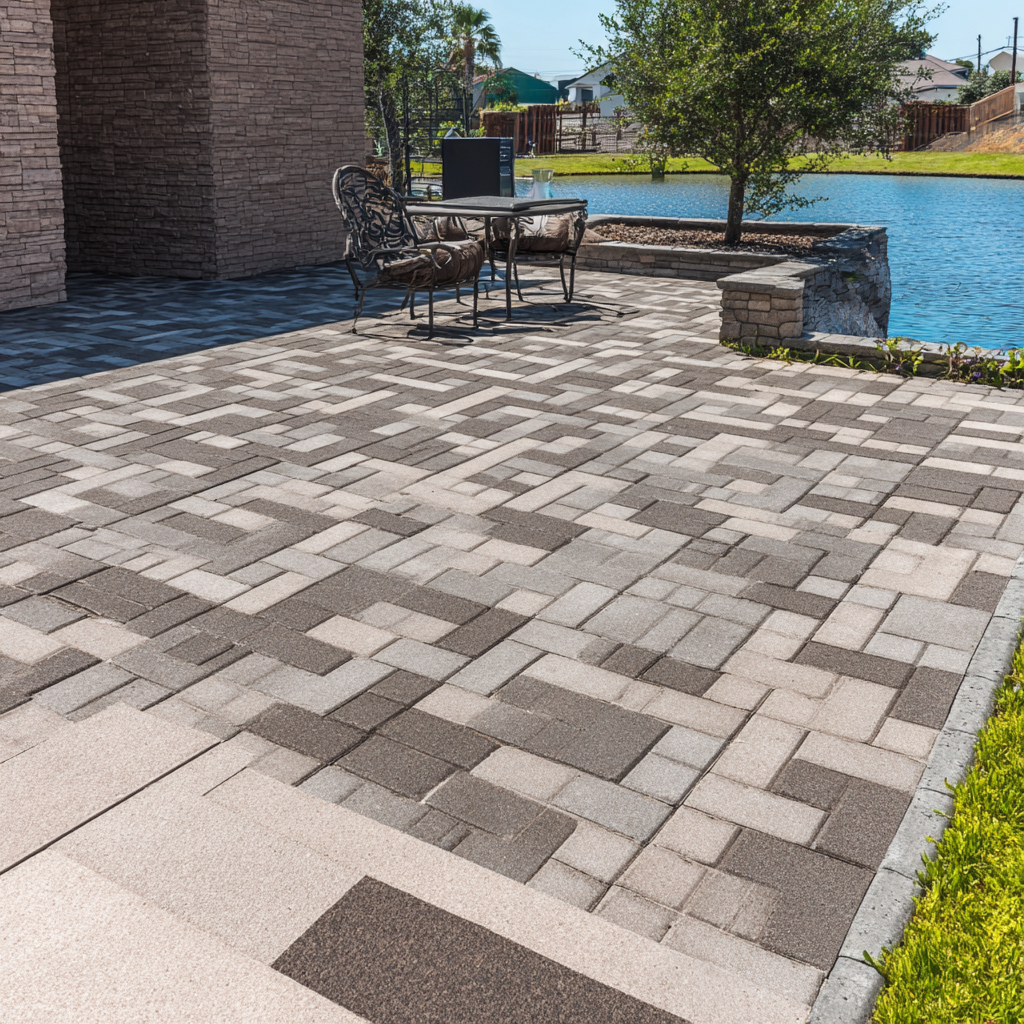
- Permeable Pavers: Allow water to pass through, reducing runoff and promoting groundwater recharge.
- Recycled Concrete: Utilizes crushed concrete from previous constructions, minimizing waste and resource consumption.
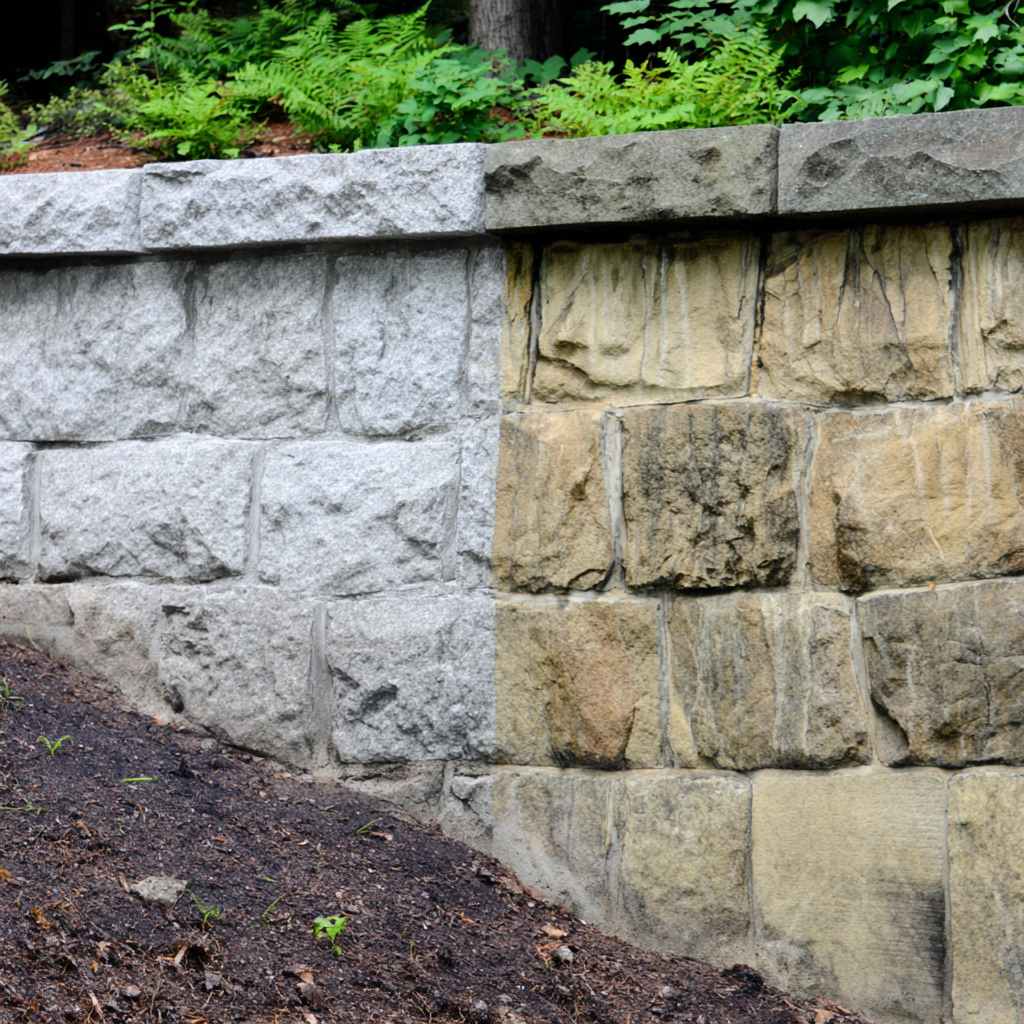
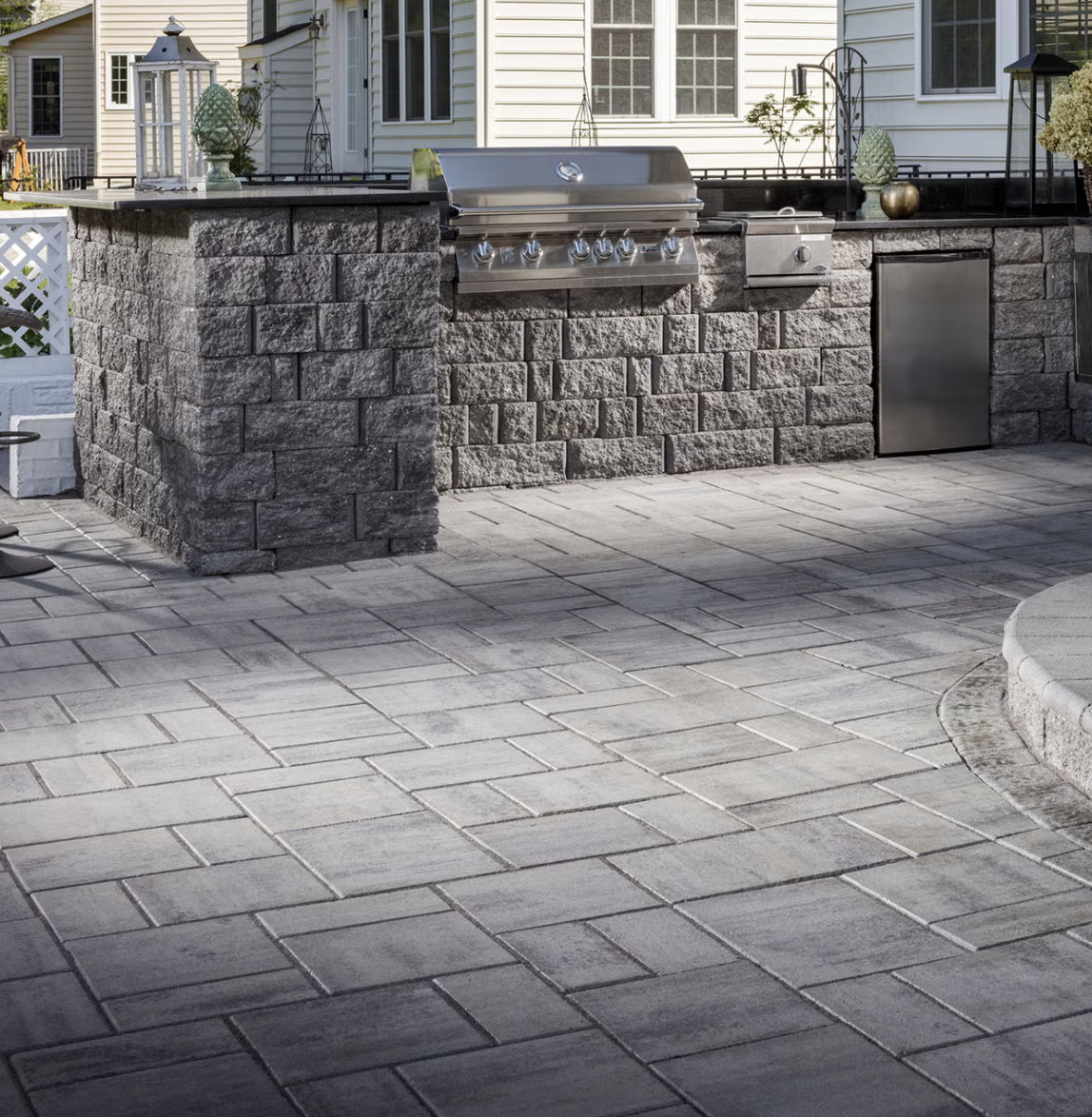
- Natural Stone: Durable and aesthetically pleasing, natural stone is often locally sourced, reducing transportation emissions.
- Reclaimed Wood: Using reclaimed wood for structures like decks or fences helps reduce deforestation and waste.
When selecting materials, it’s essential to consider their life cycle and overall environmental impact. Sustainable materials not only provide beauty and functionality but also contribute to a healthier ecosystem.
Common Question: What are permeable pavers?
Answer: Permeable pavers are specially designed pavement systems that allow water to infiltrate through the surface, reducing runoff and promoting groundwater recharge.
Water Management Solutions
Effective water management is a vital aspect of sustainable hardscaping. Here are some solutions to consider:
- Rain Gardens: These are landscaped areas designed to capture and absorb rainwater, reducing runoff and enhancing biodiversity.
- Dry Wells: Underground structures that collect and store excess water, allowing it to percolate into the ground.
- Swales: Shallow, vegetated channels that direct water flow and enhance infiltration.
Implementing these water management solutions not only helps mitigate flooding and erosion but also creates a more sustainable landscape that benefits local wildlife.
Common Question: What is a rain garden?
Answer: A rain garden is a planted depression that allows rainwater runoff from impervious surfaces to be absorbed, helping to filter pollutants and recharge groundwater.
Design Ideas for Sustainable Hardscaping
Creating a beautiful and sustainable outdoor space requires thoughtful design. Here are some ideas to inspire your project:
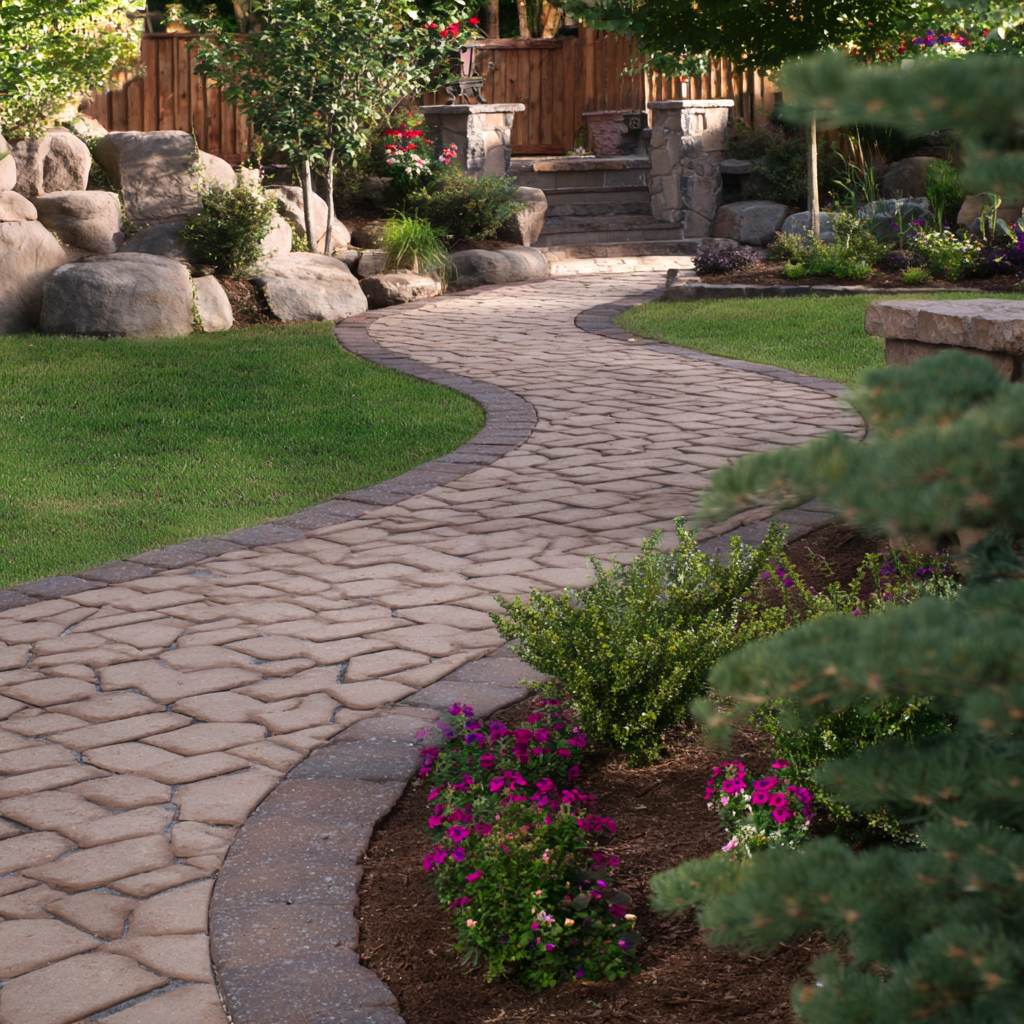
- Use Curved Pathways: Instead of straight lines, use curves to create more natural flow and to reduce the amount of hard surfaces.
- Incorporate Native Plants: Native plants require less water and maintenance, making them ideal companions for hardscaping elements.
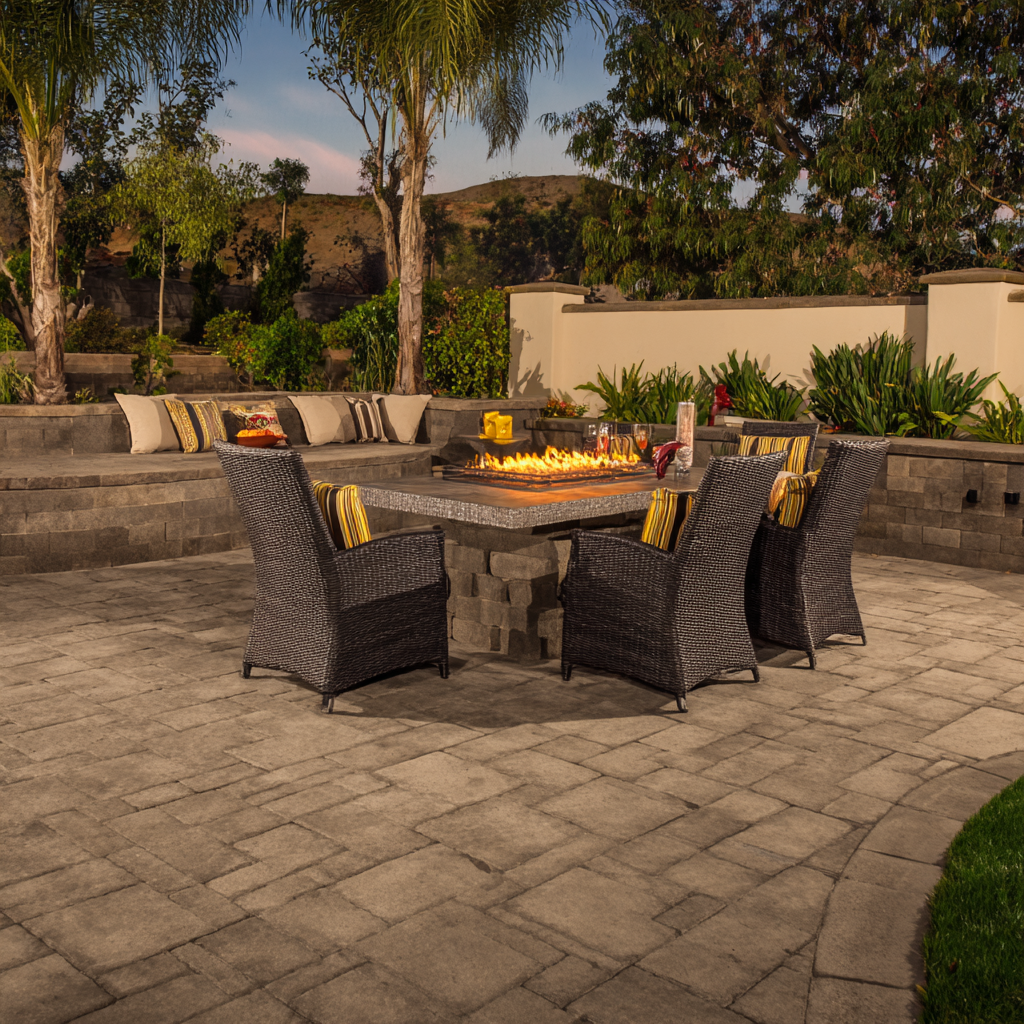
- Integrate Seating Areas: Use natural stone benches or reclaimed wood for seating areas that blend seamlessly with the environment.
- Mix Materials: Combine different eco-friendly materials for visual interest while maintaining sustainability.
These design ideas not only enhance the beauty of your outdoor space but also align with sustainable practices that benefit the environment.
Common Question: How can I incorporate native plants into my hardscaping design?
Answer: Choose plants that are native to your region, as they require less water and maintenance, and integrate them into your hardscape design for a harmonious look.
Case Studies
Let’s look at a few examples of successful sustainable hardscaping projects:
Case Study 1: Urban Rain Garden
A city park in Seattle implemented a rain garden to manage stormwater runoff. The garden captures rainwater from nearby pavements, filters it through native plants, and allows it to infiltrate the ground. The project not only reduced flooding but also created a beautiful green space for residents.
Case Study 2: Homeowner’s Sustainable Driveway
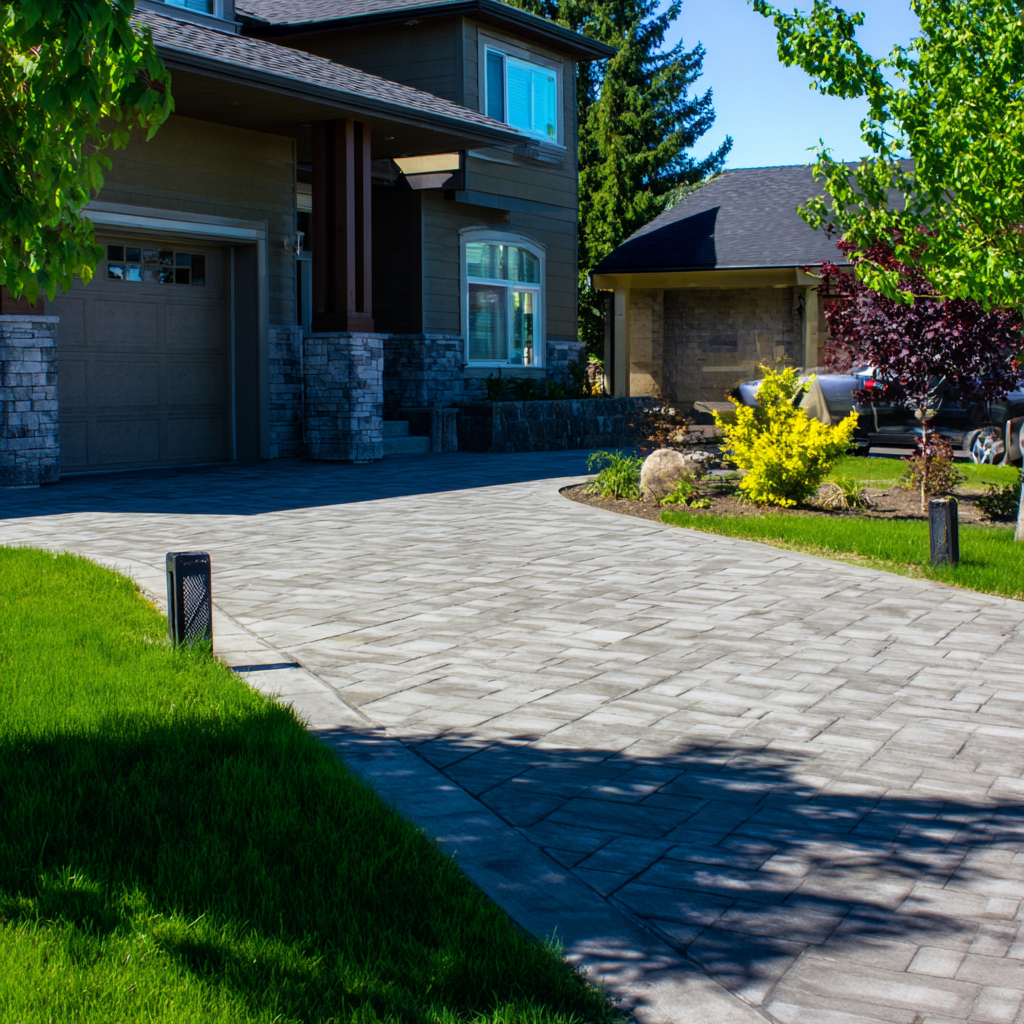
A homeowner in Portland replaced their traditional concrete driveway with permeable pavers. This change reduced runoff and allowed water to flow naturally into the ground, helping to recharge the local aquifer. The aesthetic appeal of the pavers also enhanced the overall look of the property.
Common Questions
Here are some frequently asked questions about sustainable hardscaping:
1. How do I choose sustainable materials for my hardscaping project?
Consider materials that are locally sourced, recycled, or have low environmental impact. Research the life cycle of materials to ensure they align with your sustainability goals.
2. Can I install sustainable hardscaping myself?
Some sustainable hardscaping options, like permeable pavers, can be installed by homeowners with the right tools and knowledge. However, complex projects may require professional assistance.
3. What maintenance is required for sustainable hardscaping?
Maintenance varies by material. Generally, sustainable hardscaping requires less maintenance than traditional options, but regular cleaning and occasional repairs may be necessary.
Conclusion
Incorporating sustainable hardscaping solutions into your outdoor space not only enhances its beauty but also contributes to a healthier environment. By choosing eco-friendly materials, implementing effective water management solutions, and designing with sustainability in mind, homeowners can create outdoor spaces that are both functional and environmentally friendly. The benefits are clear: reduced runoff, lower maintenance costs, and increased property value, all while promoting a sustainable future.
FAQs
1. What is the cost of sustainable hardscaping?
The cost varies based on materials and design. On average, sustainable options may have higher upfront costs but lead to long-term savings.
2. How can I ensure my hardscaping is sustainable?
Research materials, consult with professionals, and consider local climate and ecology in your designs.
3. Are there any grants available for sustainable landscaping?
Yes, various local and federal programs may provide funding or incentives for sustainable landscaping projects. Check with local environmental agencies.
 Schedule Design Consultation