.png)

Table of Contents
- Introduction
- What Are Sustainable Retaining Wall Materials?
- Benefits of Sustainable Materials
- Types of Sustainable Retaining Wall Materials
- Case Studies and Examples
- Frequently Asked Questions
- Key Takeaways
Introduction
In recent years, homeowners have become increasingly conscious of their environmental impact. As a result, there has been a significant rise in interest in sustainable retaining wall materials. These materials not only help reduce carbon footprints but also allow for a seamless integration with natural landscapes. In this article, we will explore the various aspects of sustainable retaining wall materials, their benefits, types, and real-world examples.
What Are Sustainable Retaining Wall Materials?
Sustainable retaining wall materials are those that are sourced, manufactured, and installed in a manner that minimizes environmental impact. This includes materials that are recycled, reclaimed, or sourced from renewable resources. The goal is to create walls that are not only functional but also environmentally friendly.
Common Questions
What makes a retaining wall sustainable? A retaining wall is considered sustainable if it utilizes materials that have a low environmental impact, are durable, and can blend harmoniously with the surrounding landscape.
Benefits of Sustainable Materials
- Environmental Impact: Using sustainable materials helps reduce the carbon footprint associated with traditional building materials, which often involve high energy consumption during production.
- Durability: Many sustainable materials, such as recycled concrete and natural stone, are extremely durable, ensuring that your retaining wall lasts for years without needing significant maintenance.
- Cost-Effectiveness: While the initial investment might be higher for sustainable materials, the long-term savings on maintenance and replacement can offset these costs.
- Aesthetic Value: Sustainable materials often have unique textures and colors, allowing for creative landscaping that enhances the beauty of your property.
Common Questions
Are sustainable materials more expensive? The upfront costs can be higher, but the long-term benefits, including lower maintenance costs and durability, often make them more cost-effective over time.
Types of Sustainable Retaining Wall Materials
There are several types of materials that can be classified as sustainable for use in retaining walls:
- Recycled Concrete: This material is made from crushed concrete debris, reducing the need for new materials and diverting waste from landfills.
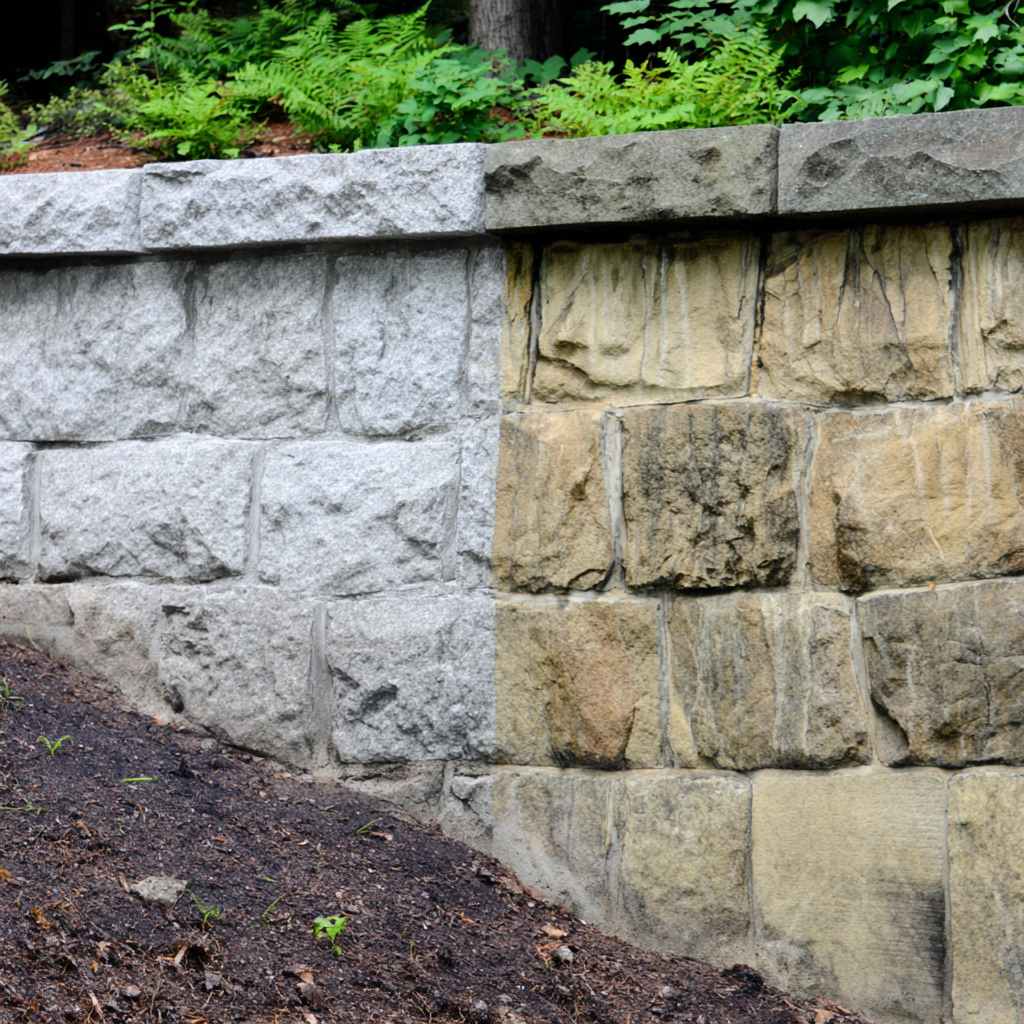
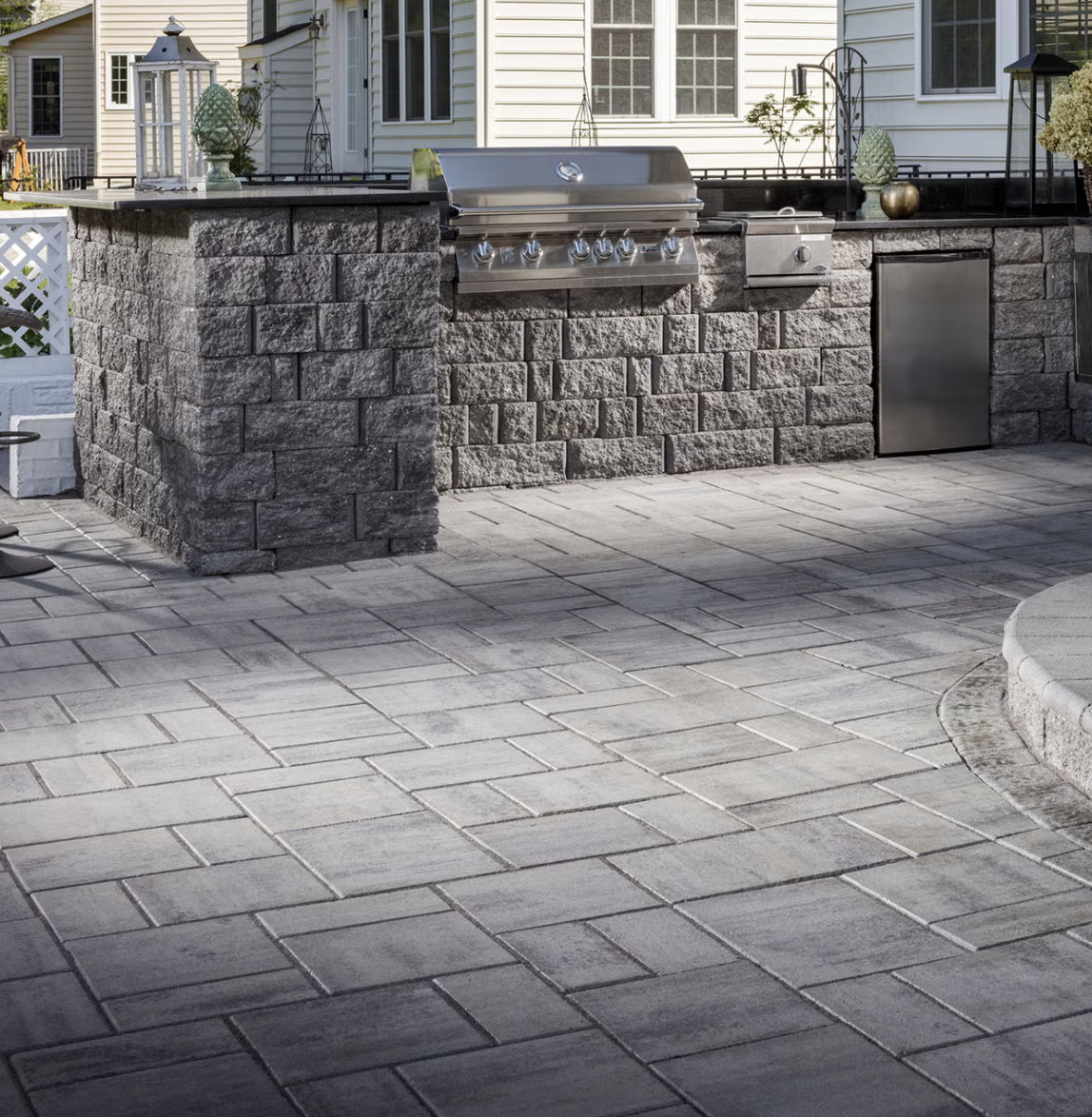
- Natural Stone: Sourced from quarries, natural stone is durable and blends well with the environment. It is often locally sourced to minimize transportation emissions.
- Wood: Sustainable wood options, such as reclaimed or certified wood, can be used to create attractive retaining walls that also provide a carbon sink.
- Gabion Walls: These walls consist of wire cages filled with stones or other materials. They are not only effective in preventing soil erosion but also promote biodiversity.
- Composite Materials: Made from recycled plastics and wood fibers, composite materials are resistant to decay and can provide a sustainable option for retaining walls.
Common Questions
What is the most sustainable material for retaining walls? The most sustainable material often depends on local availability and specific project requirements, but recycled concrete and natural stone are among the top choices.
Case Studies and Examples
Here are a few examples of successful implementations of sustainable retaining wall materials:
| Project | Material Used | Location | Outcome |
|---|---|---|---|
| Greenway Park | Recycled Concrete | Seattle, WA | Reduced waste and provided a durable solution for soil erosion. |
| Garden Oasis | Natural Stone | Asheville, NC | Enhanced aesthetic appeal while being eco-friendly. |
| Eco-Friendly Residential Project | Composite Materials | Portland, OR | Long-lasting, low-maintenance walls that blend with nature. |
Common Questions
Can you provide examples of successful sustainable retaining wall projects? Yes, projects such as Greenway Park and Garden Oasis are excellent examples of how sustainable materials can be effectively utilized.
Frequently Asked Questions
What are the best materials for building a retaining wall?
The best materials include recycled concrete, natural stone, and sustainably sourced wood, depending on the specific needs and environmental considerations.
How do I maintain a sustainable retaining wall?
Regular inspections and maintenance are key. This includes checking for erosion, ensuring proper drainage, and cleaning any debris that may accumulate.
Are there any regulations regarding sustainable materials?
Yes, many local governments have guidelines or incentives for using sustainable materials in construction projects. Check local regulations to ensure compliance.
Key Takeaways
Choosing sustainable retaining wall materials is not only beneficial for the environment but also enhances the beauty and longevity of your landscape. Options such as recycled concrete and natural stone provide durability and aesthetic appeal while helping to reduce your carbon footprint. By considering sustainable materials, homeowners can make a positive impact on their surroundings.
 Schedule Design Consultation