.png)

Table of Contents
Introduction
Sustainable Hardscaping with Basalite Pavers is not just a trend; it’s a necessity in today’s environmentally-conscious world. Hardscaping refers to the non-plant elements in landscaping, which include pathways, patios, and retaining walls. Basalite pavers are a prime choice for sustainable hardscaping due to their durability, aesthetic appeal, and eco-friendly materials. Using Basalite pavers can enhance your landscape while ensuring that your outdoor space remains functional and sustainable.
In this comprehensive guide, we will explore the various aspects of sustainable hardscaping with Basalite pavers, including their benefits, sustainable features, installation processes, and real-world examples. By the end of this article, you will have a thorough understanding of how these pavers can transform your outdoor space sustainably.
What are Basalite Pavers?
Basalite pavers are high-quality concrete pavers manufactured by Basalite Concrete Products, known for their durability and versatility. These pavers come in various shapes, sizes, and colors, allowing for a wide range of design possibilities. Made from environmentally friendly materials, Basalite pavers are an excellent option for those looking to create beautiful outdoor spaces without compromising on sustainability.
Common Question: Are Basalite pavers suitable for all climates?
Yes, Basalite pavers are designed to withstand various weather conditions. Their durability ensures that they can handle extreme temperatures, heavy rainfall, and even freeze-thaw cycles without cracking or fading.
Benefits of Basalite Pavers
- Durability: Basalite pavers are built to last, offering resistance to wear and tear, which makes them ideal for high-traffic areas.
- Low Maintenance: Unlike natural stone, Basalite pavers require minimal maintenance. A simple wash with soap and water is often enough to keep them looking new.
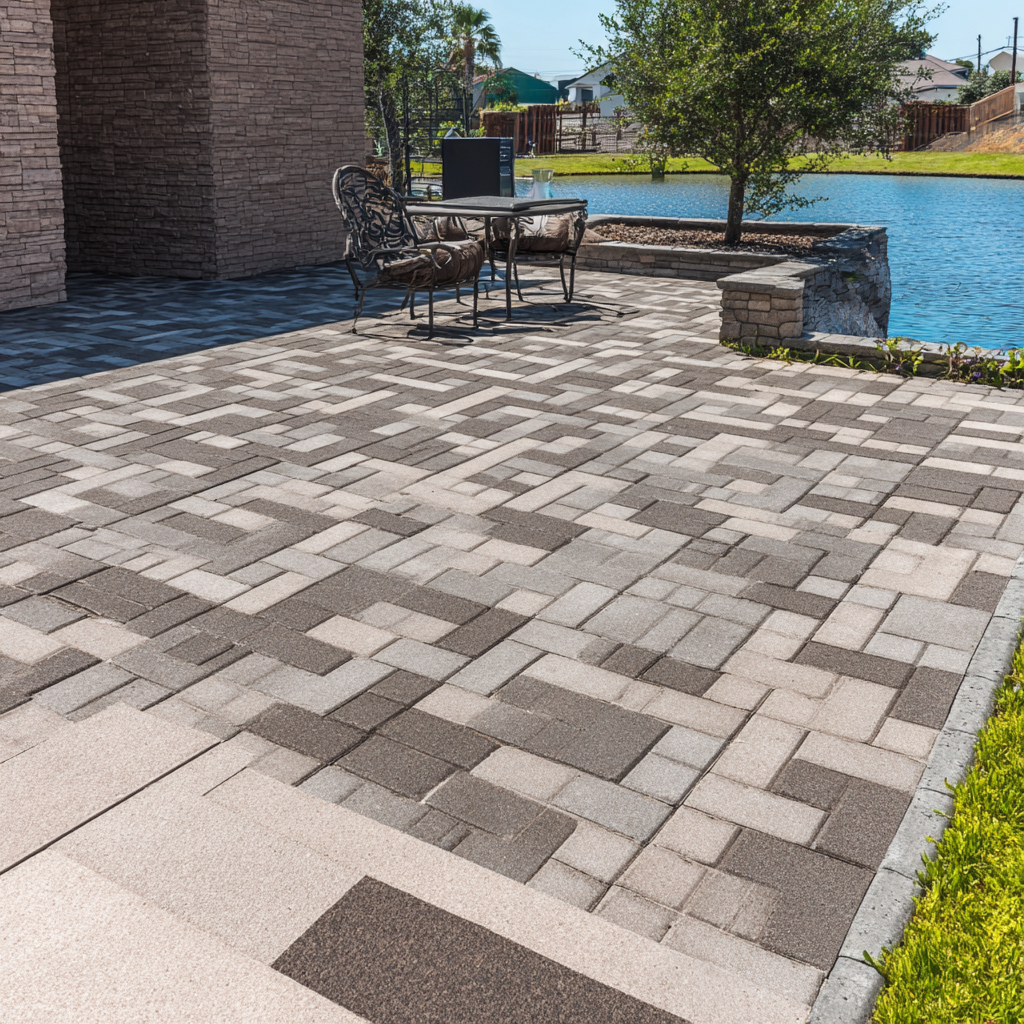
- Design Versatility: With a variety of colors and textures, Basalite pavers can complement any design style, from modern to traditional.
- Eco-Friendly: Made from sustainable materials, these pavers contribute to a reduced carbon footprint.
Common Question: How do Basalite pavers compare to other materials?
When compared to natural stone or asphalt, Basalite pavers offer superior durability and design versatility. They are also more environmentally friendly, making them a preferred choice for sustainable landscaping.
The Sustainability Aspect
Sustainable Hardscaping with Basalite Pavers goes beyond aesthetics. The production of these pavers involves eco-friendly practices, including the use of recycled materials and efficient manufacturing processes. This makes them a sustainable choice for environmentally conscious homeowners.
Environmental Benefits:
- Recycled Materials: Basalite pavers incorporate recycled aggregates, reducing the demand for new raw materials.
- Water Management: The permeability of these pavers allows for effective water drainage, reducing runoff and promoting groundwater recharge.
- Energy Efficiency: The production process is designed to minimize energy consumption, further lowering their environmental impact.
Common Question: Do Basalite pavers contribute to urban heat islands?
No, Basalite pavers can help mitigate the urban heat island effect due to their reflective properties and permeability, which allows for better air circulation and cooling.
Installation Process
Installing Basalite pavers involves several steps to ensure a durable and aesthetically pleasing result. Here’s a simplified breakdown of the process:
Step-by-Step Installation:
- Site Preparation: Clear the area of any vegetation and debris, and ensure the ground is level.
- Base Layer: A solid base of crushed stone is laid down to provide stability and drainage.
- Sand Bedding: A layer of sand is spread over the base to create a smooth surface for the pavers.
- Placing Pavers: The Basalite pavers are laid in the desired pattern, ensuring tight joints.
- Joint Filling: Sand is swept into the joints between the pavers to lock them in place.
- Compaction: A compactor is used to ensure the pavers are tightly set and secure.
Common Question: Can I install Basalite pavers myself?
While DIY installation is possible, hiring professionals ensures proper installation and longevity of your hardscaping project.
Case Studies
To illustrate the effectiveness of Basalite pavers in sustainable hardscaping, let’s look at a couple of real-world examples:
Case Study 1: Residential Patio
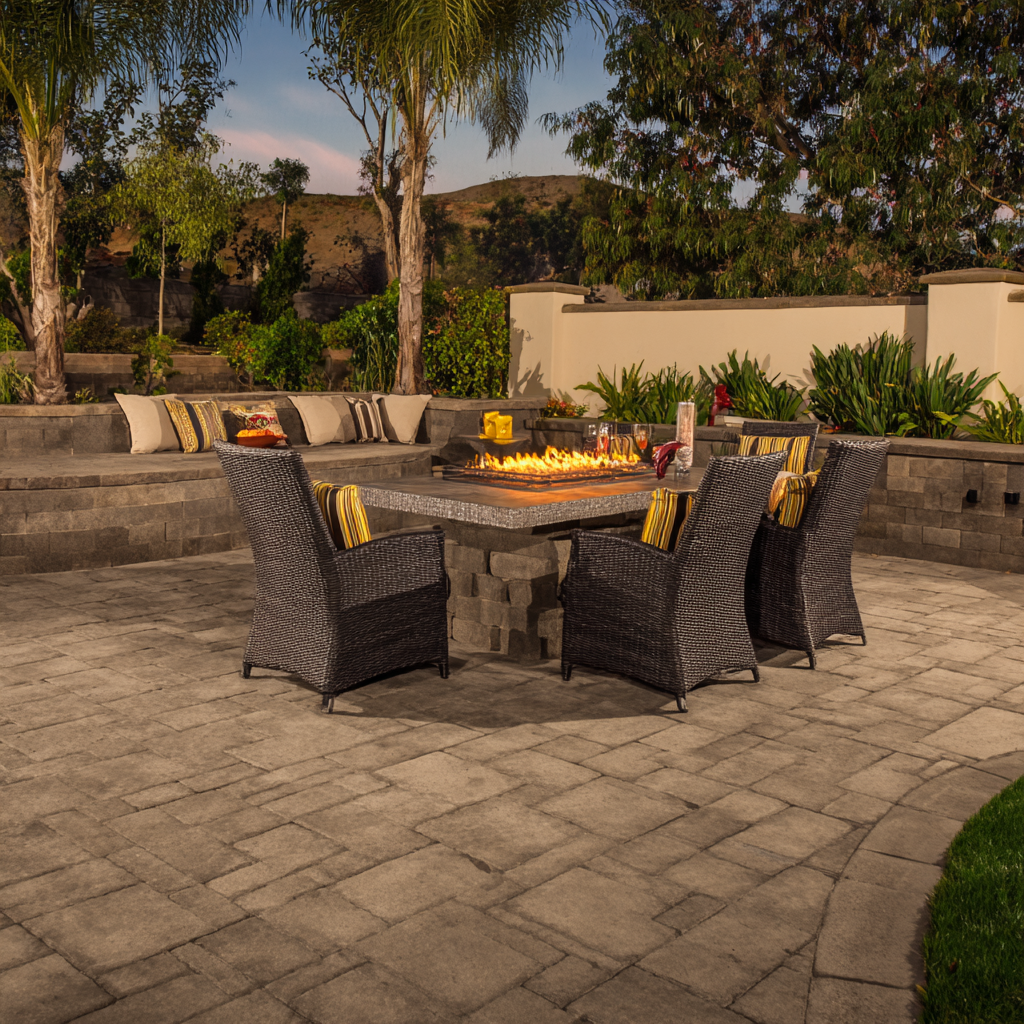
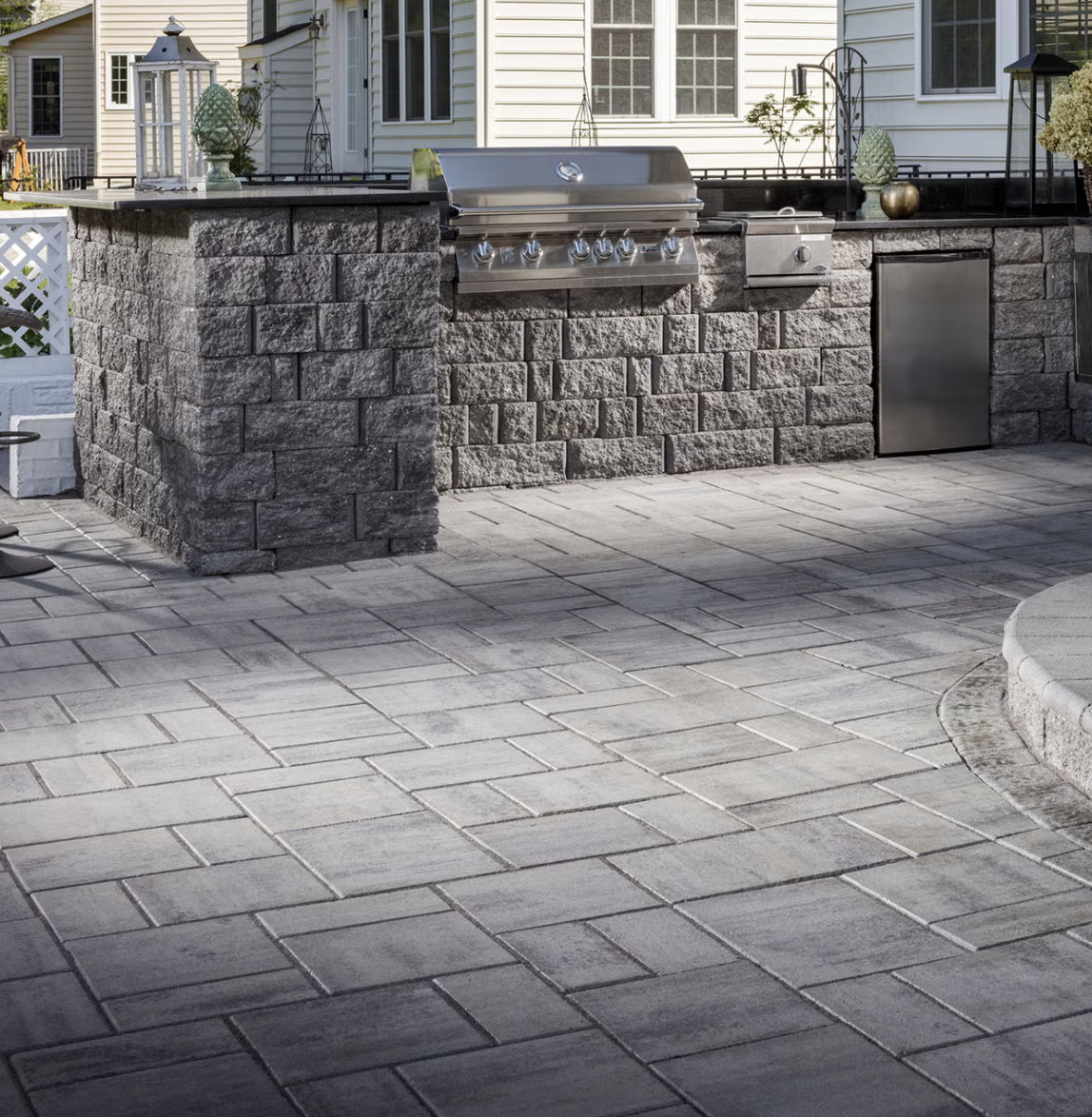
A homeowner in California transformed their backyard using Basalite pavers for a new patio. The project involved a mix of colors and patterns, creating a unique space for outdoor gatherings. The use of permeable pavers also improved drainage, preventing water accumulation during heavy rains.
Case Study 2: Commercial Walkway
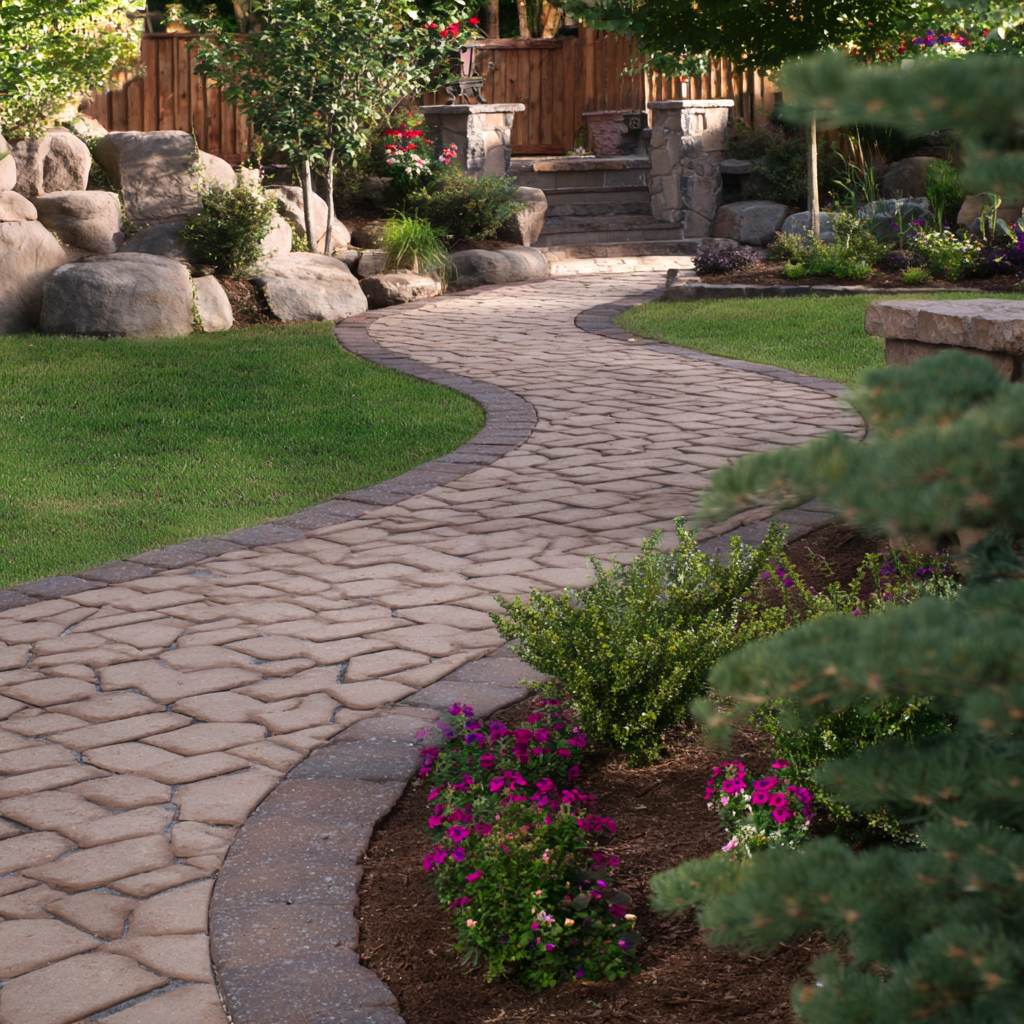
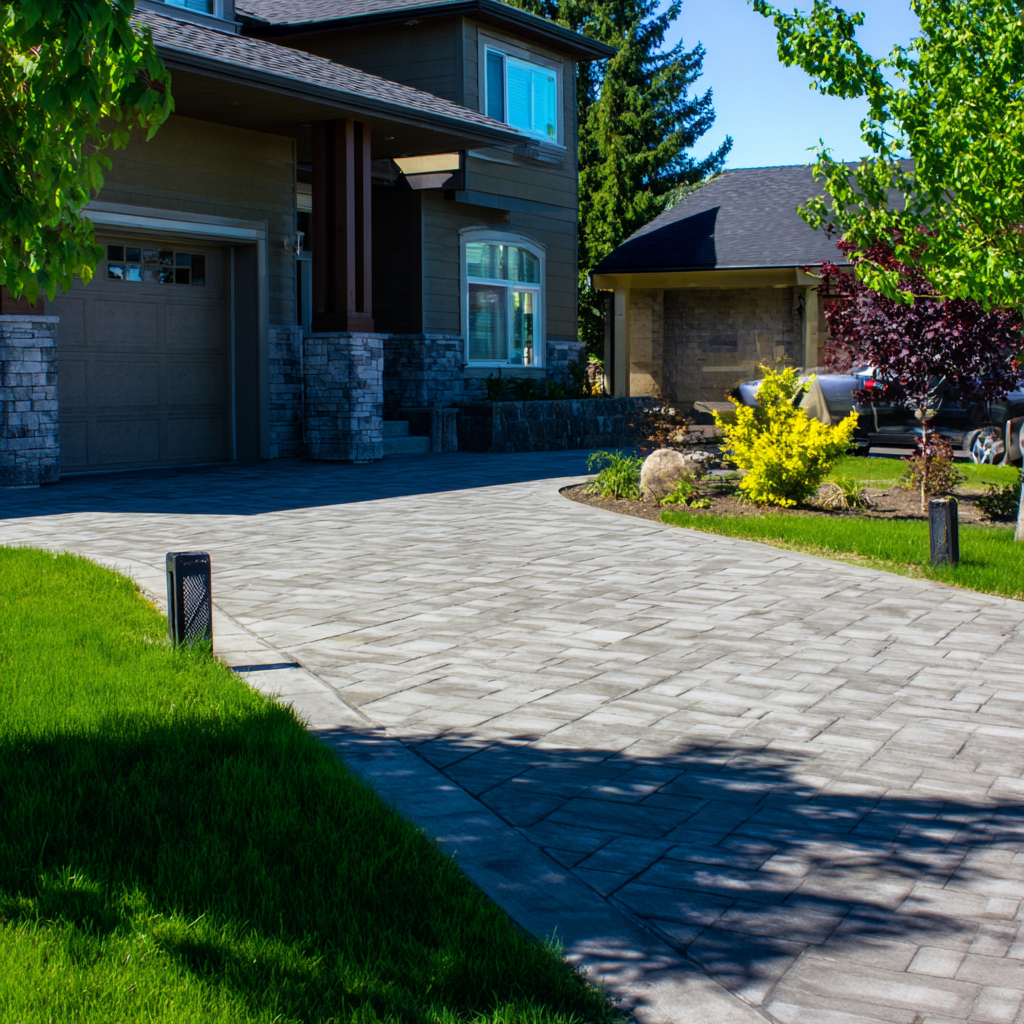
A local business opted for Basalite pavers for their entrance walkway. The pavers not only enhanced the aesthetic appeal of the business but also promoted sustainability through their eco-friendly materials. The walkway has been praised for its durability and low maintenance needs.
FAQs
What is the lifespan of Basalite pavers?
Basalite pavers are designed to last for decades with proper maintenance, often exceeding 25 years.
Are Basalite pavers slippery when wet?
Most Basalite pavers have a textured surface that provides good traction, minimizing the risk of slipping.
How do I clean my Basalite pavers?
A simple mixture of soap and water is often enough. For tougher stains, a pressure washer can be used carefully.
Key Takeaways
Sustainable Hardscaping with Basalite Pavers offers a perfect blend of beauty and functionality. With their durability, low maintenance requirements, and eco-friendly materials, they are an excellent choice for anyone looking to enhance their outdoor space sustainably. Whether it’s for a residential project or a commercial application, Basalite pavers provide a long-lasting, stylish solution that benefits both the environment and your property.
By: Your Name, Landscape Expert
 Schedule Design Consultation